
48 (INCREDIBLE) Hours in Venice
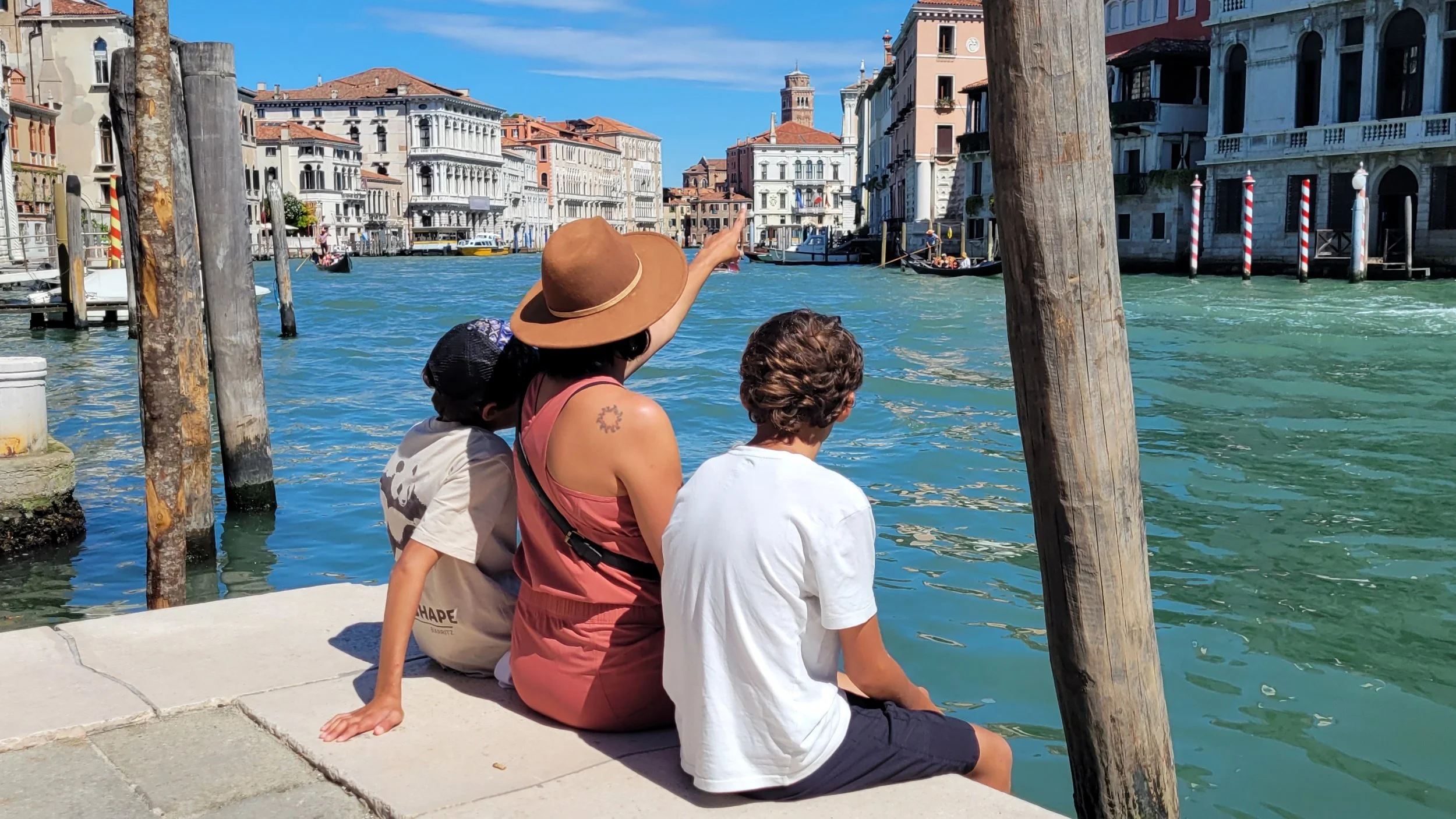
Venice, Italy
Venice has always felt like one of those places that lives more in imagination than in reality. A city built on water, with no roads, no cars, and centuries of history rising straight out of the canals—it’s romanticized, photographed, and talked about endlessly. And yet, nothing quite prepares you for what it feels like to actually be there. Our family trip through Italy had already been filled with unforgettable moments, but Venice was the destination I had been quietly saving space for—the grand finale. We only had 48 hours, which felt wildly insufficient for a city this layered, but also just enough time to fall completely under its spell. Venice isn’t a place you “do” quickly; it’s a place you wander, observe, and let wash over you. What we didn’t know at the time was that we’d be entering Venice in the most unforgettable way possible—not by train or car, but by water, just as travelers once did centuries ago. Those final two days would become some of the most magical of our entire trip, filled with early mornings, quiet canals, bustling afternoons, endless bridges, and the kind of beauty that stays with you long after you leave.
But First, Two days in Padua, Italy
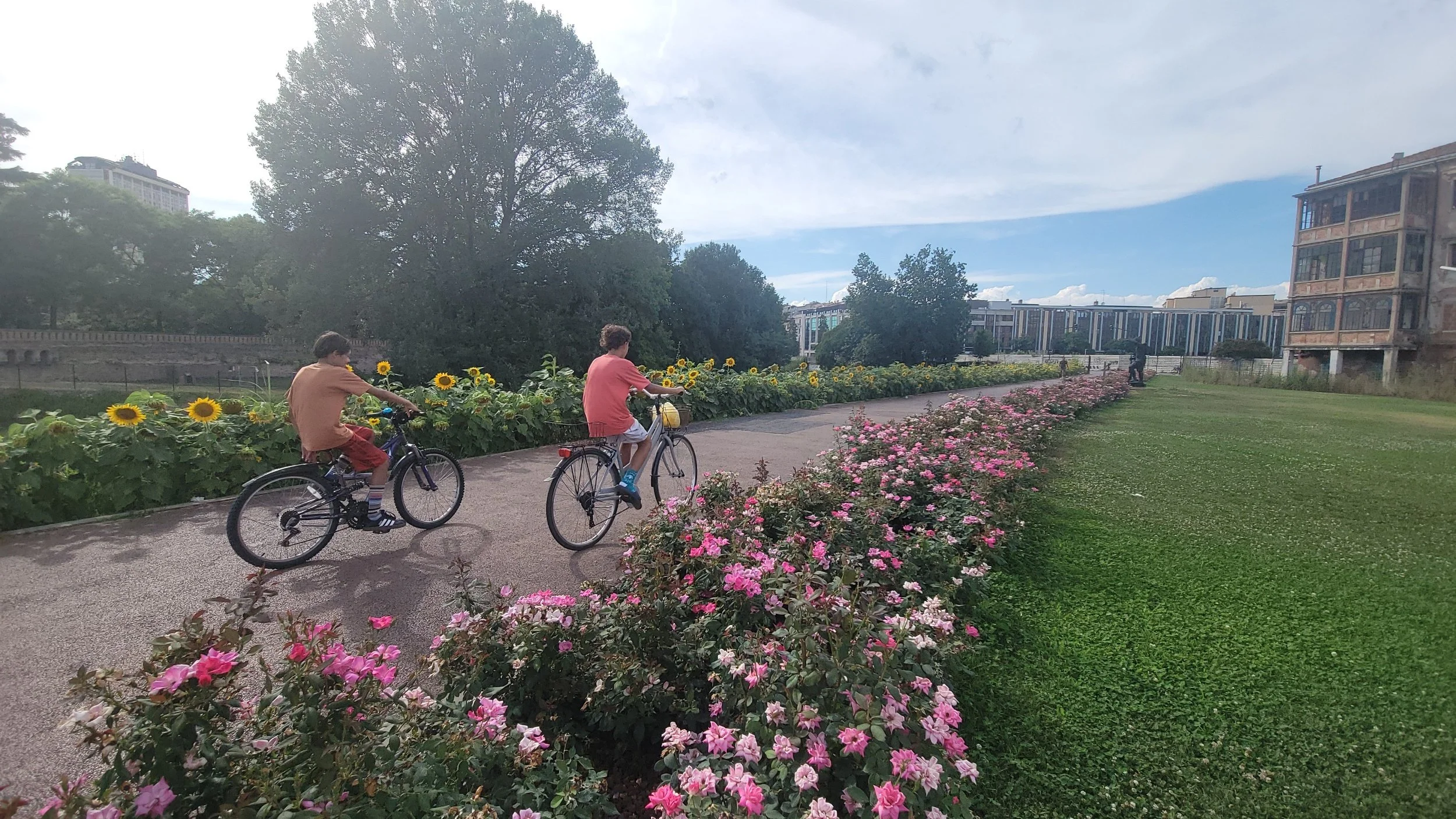
Before arriving in Venice, we spent a few slower days in Padua. We had this spot on our list to break up time between the Dolomites and Venice. Padua is renowned for its 14th-century Giotto frescoes in the Scrovegni Chapel, the massive Prato della Valle plaza, and a prestigious university that gives it a youthful, artistic, and lively atmosphere. And that’s how we picked it!
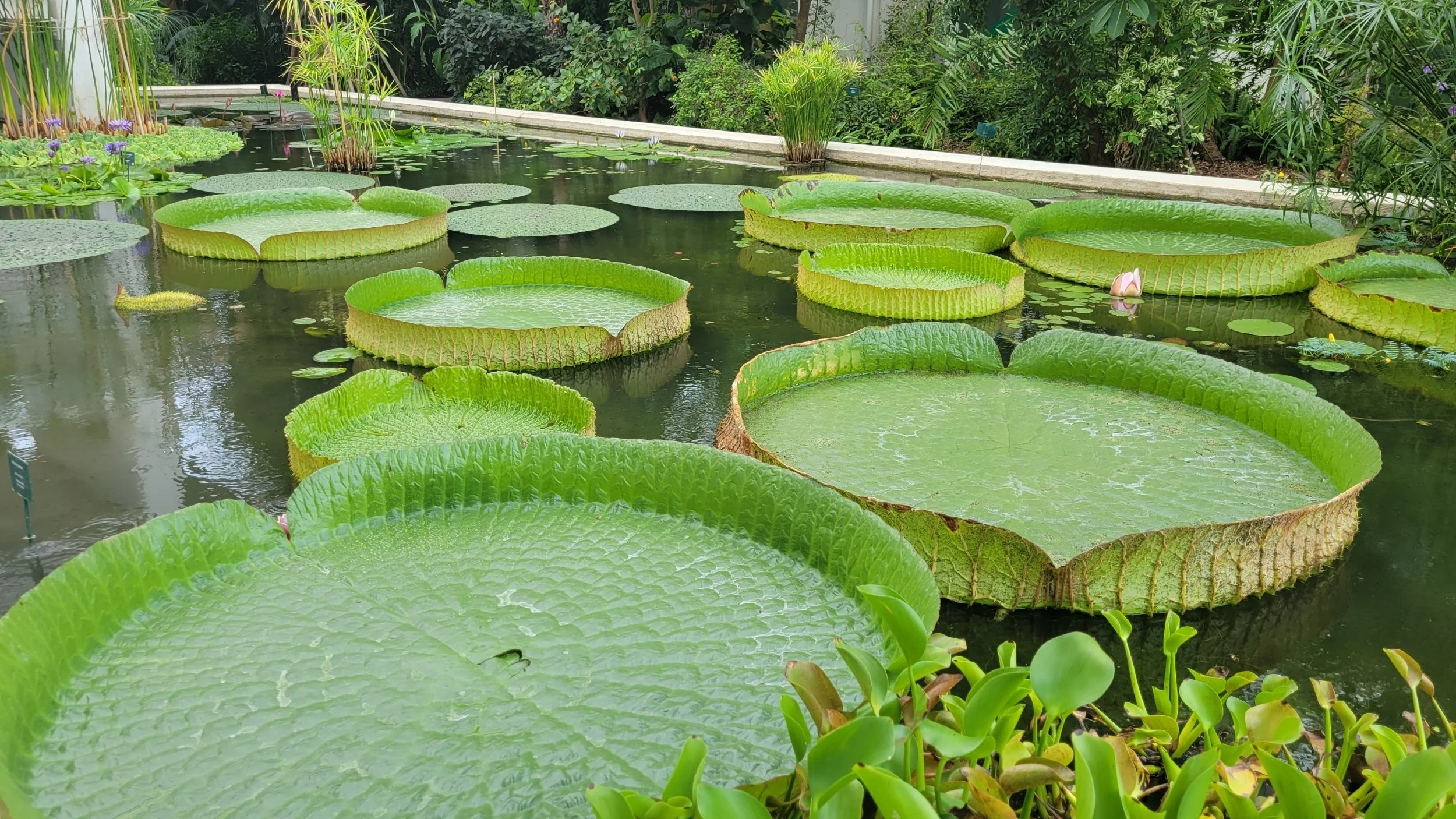
We spent the couple days pedaling along canals (our airbnb had bikes!), lingering over meals and drinks in neighborhood parks, ducking into old churches, visiting the world’s oldest university botanical garden, and letting the rhythm of travel soften. We had an unfortunate experience when the tickets we booked to see the world-famous frescoes were solidly set for 6 pm. We showed up six minutes late, and they wouldn’t let us in. All other tours were sold out. I cried, disappointed in myself for arriving late and letting the family down. But they all hugged me and assured me that the frescoes weren’t what made this place special. Who needed frescoes when more of Italy to explore! Corny, but true. We turned the night around by doing what we do best: Getting lost in the city. Padua was the perfect calm before the magic to come.
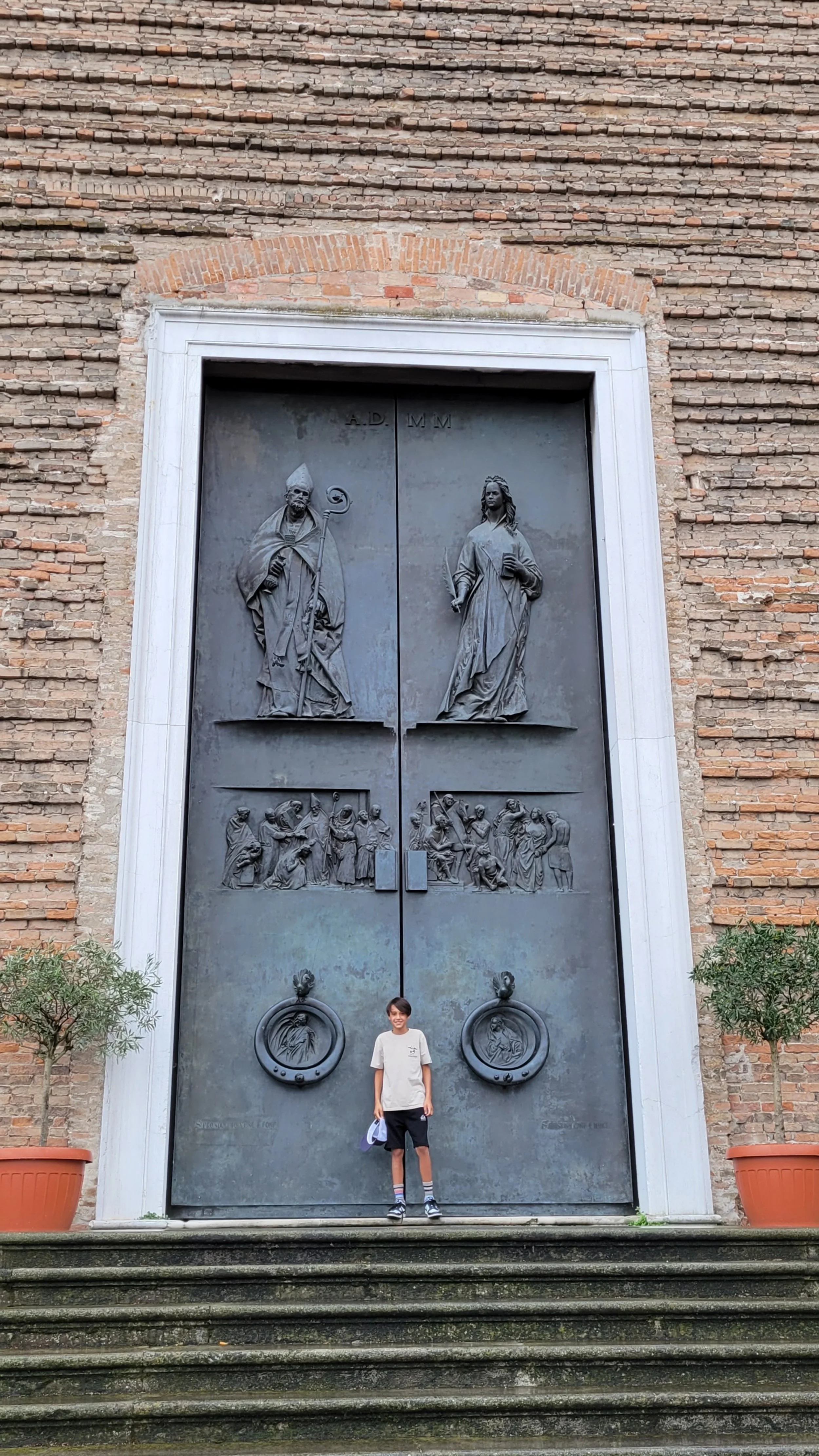
Without Bennett standing in front of this door, it appeared small.
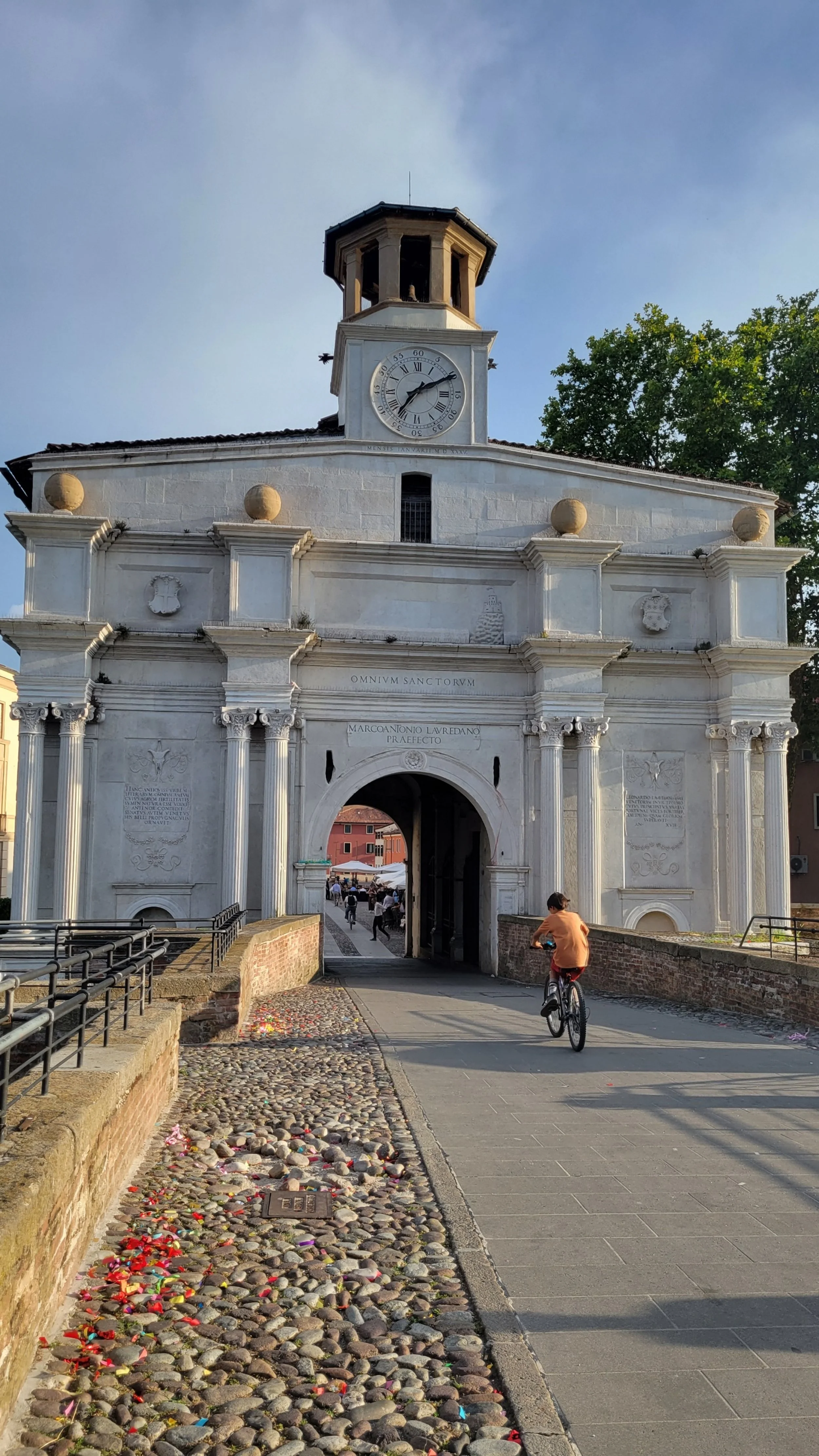
Bike rides over (under) bridges and along the Padua Canal
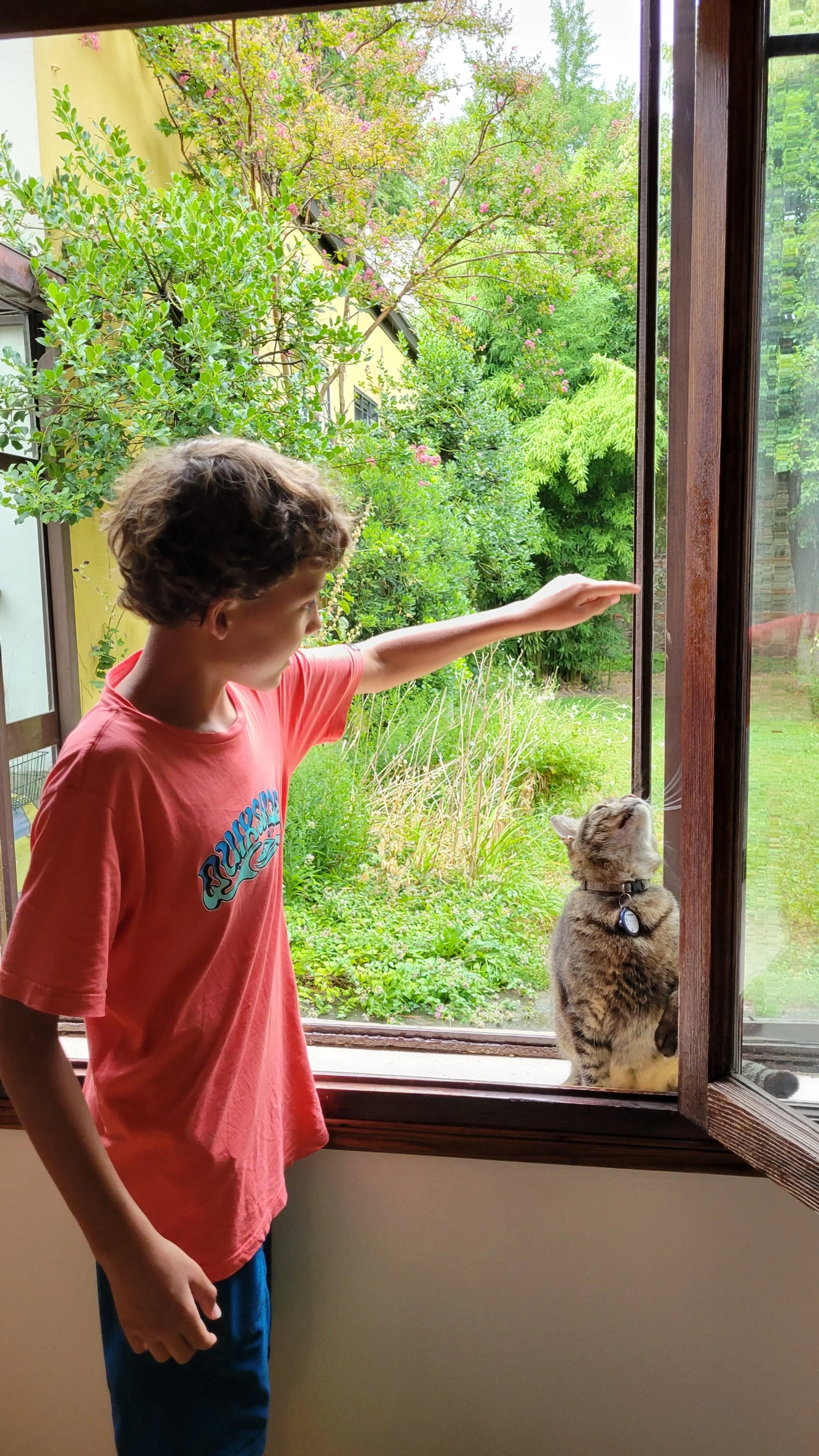
Our airbnb kitty that visited us
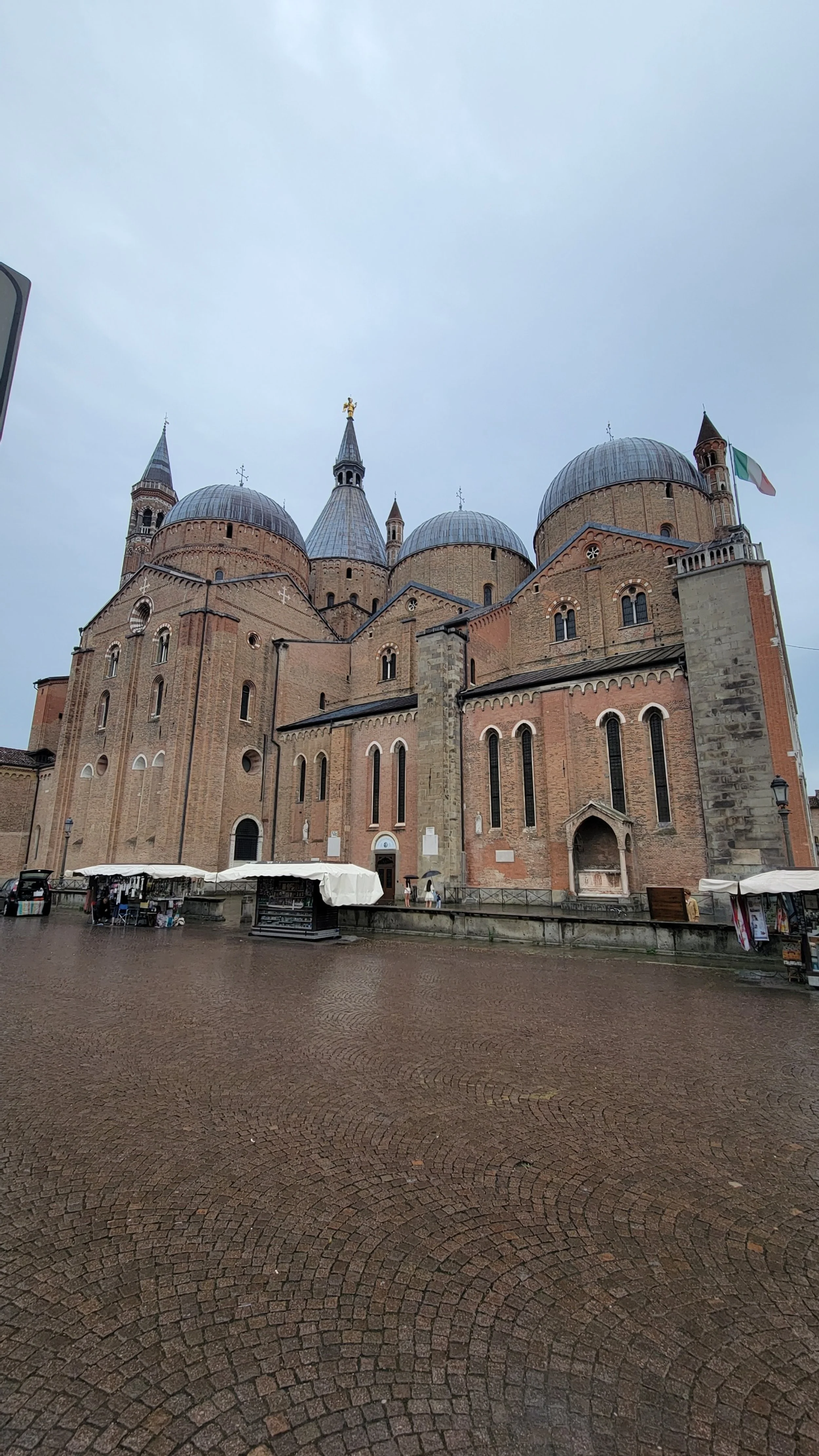
The Basilica of St. Anthony
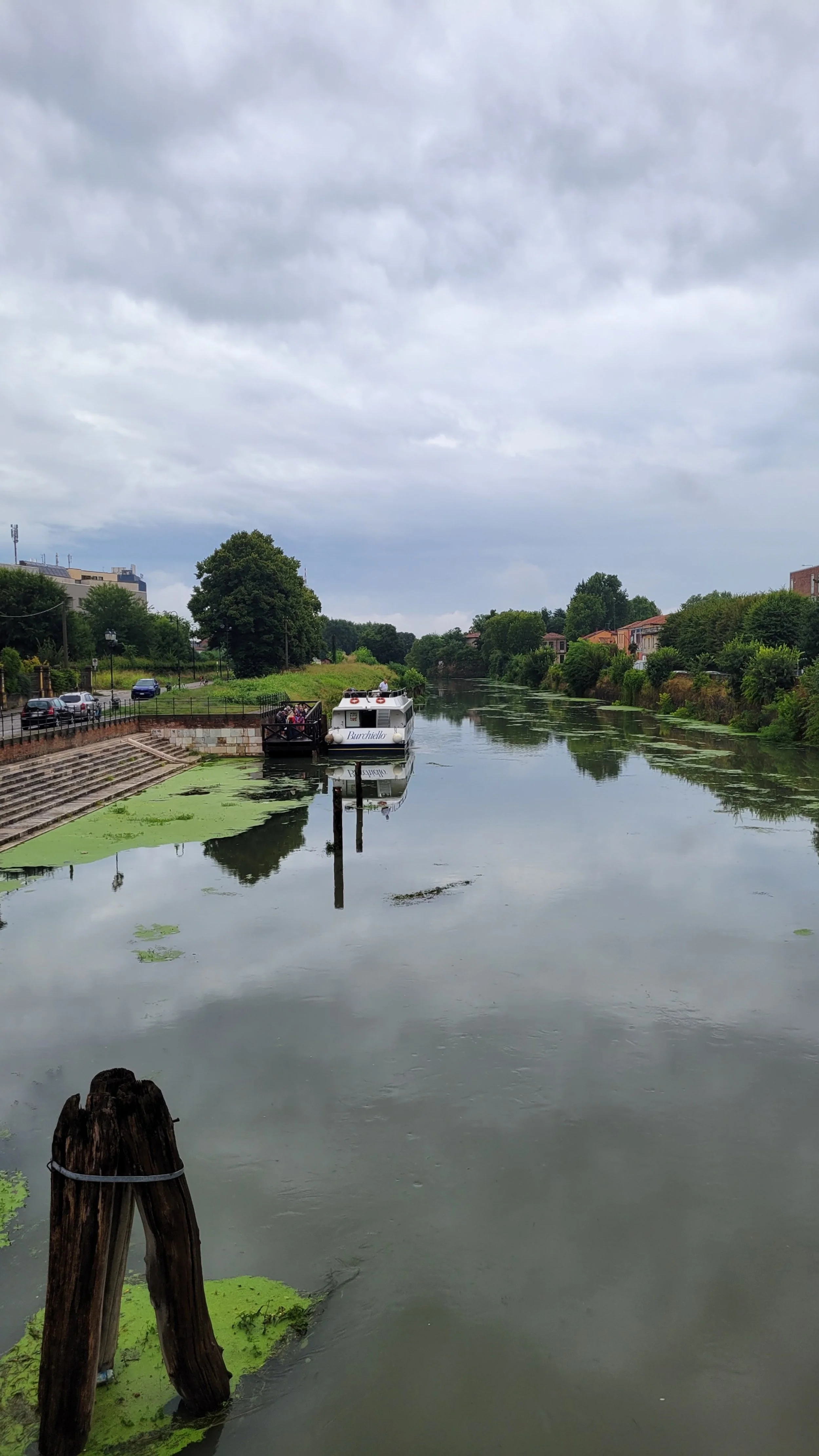
Our Burchiello boat!
Arriving in Venice the Most Extraordinary Way
We left Padua in the most unique fashion imaginable: aboard Il Burchiello.
This historic boat dates back to the 1700s and was once used by the wealthiest Venetian families to travel from their countryside villas along the Brenta Riviera into Venice itself. The Brenta Canal was essentially the grand entryway to the city—lined with opulent villas designed by famous architects like Palladio, built as summer escapes for Venetian nobility.
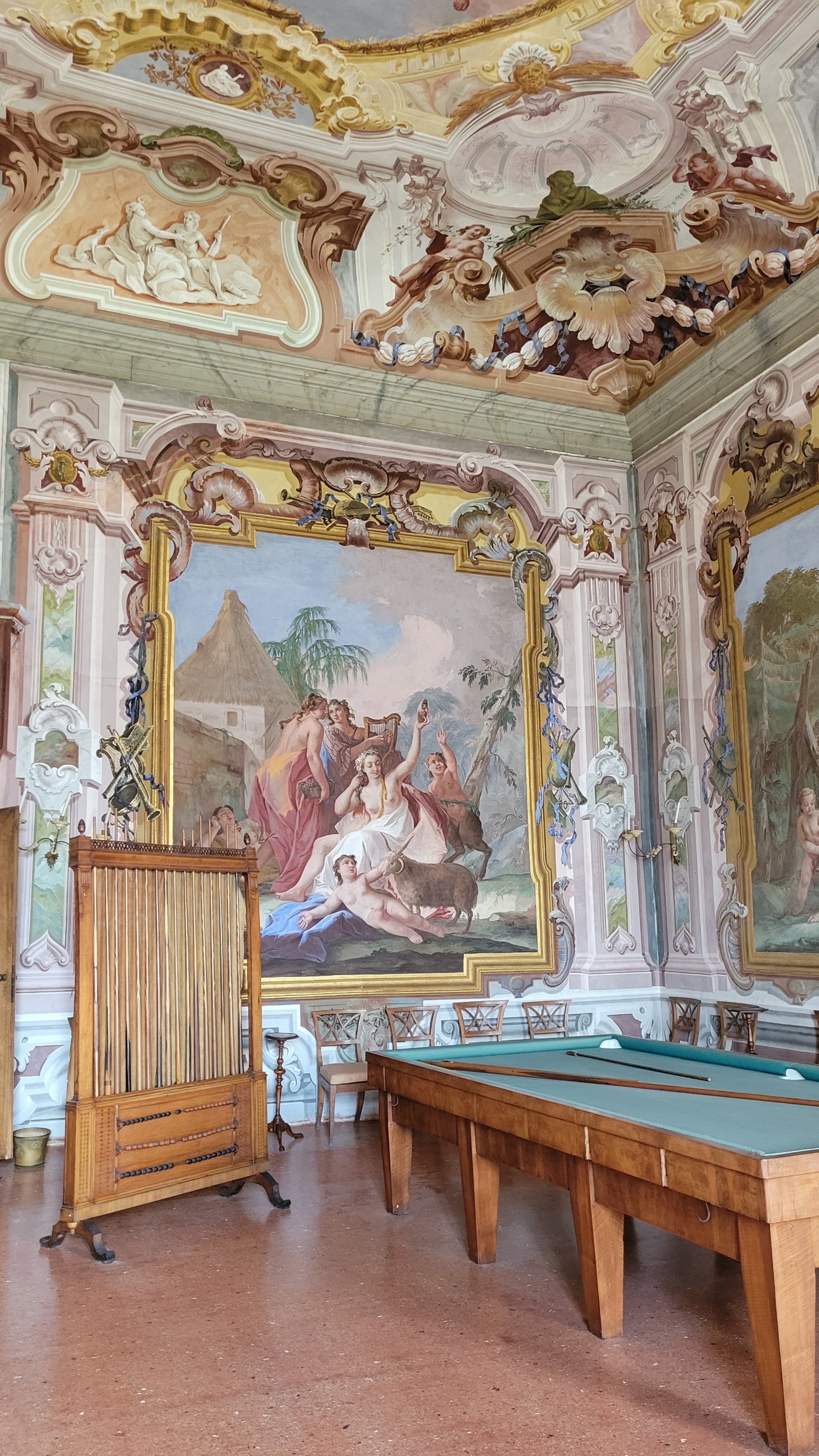
Venetian Villas, and insane frescoes
Our journey was a full-day cruise through the canal and lock systems connecting Padua to Venice. Along the way, we stopped to tour three stunning Venetian villas, each more beautiful than the last. The canal system itself was fascinating—nine swiveling bridges and five locks, often called “water lifts,” that adjust the boat’s height as much as 10 meters between Padua and Venice. Watching the boat rise and fall inside the locks felt oddly mesmerizing.
At times, sitting on the top deck, we had to duck to slide beneath low bridges—everyone laughing. Around noon, we stopped at a canal-side restaurant for lunch, then climbed back aboard (with a little extra wine tucked away) to finish the journey.
And then came the moment.
The canal widened, the horizon opened, and suddenly—Venice. Massive cruise ships glided past as we floated between centuries-old buildings and made our way into the marble wonder of St. Mark’s Basin. I couldn’t believe it. Of all the ways to arrive in Venice, this was ours.
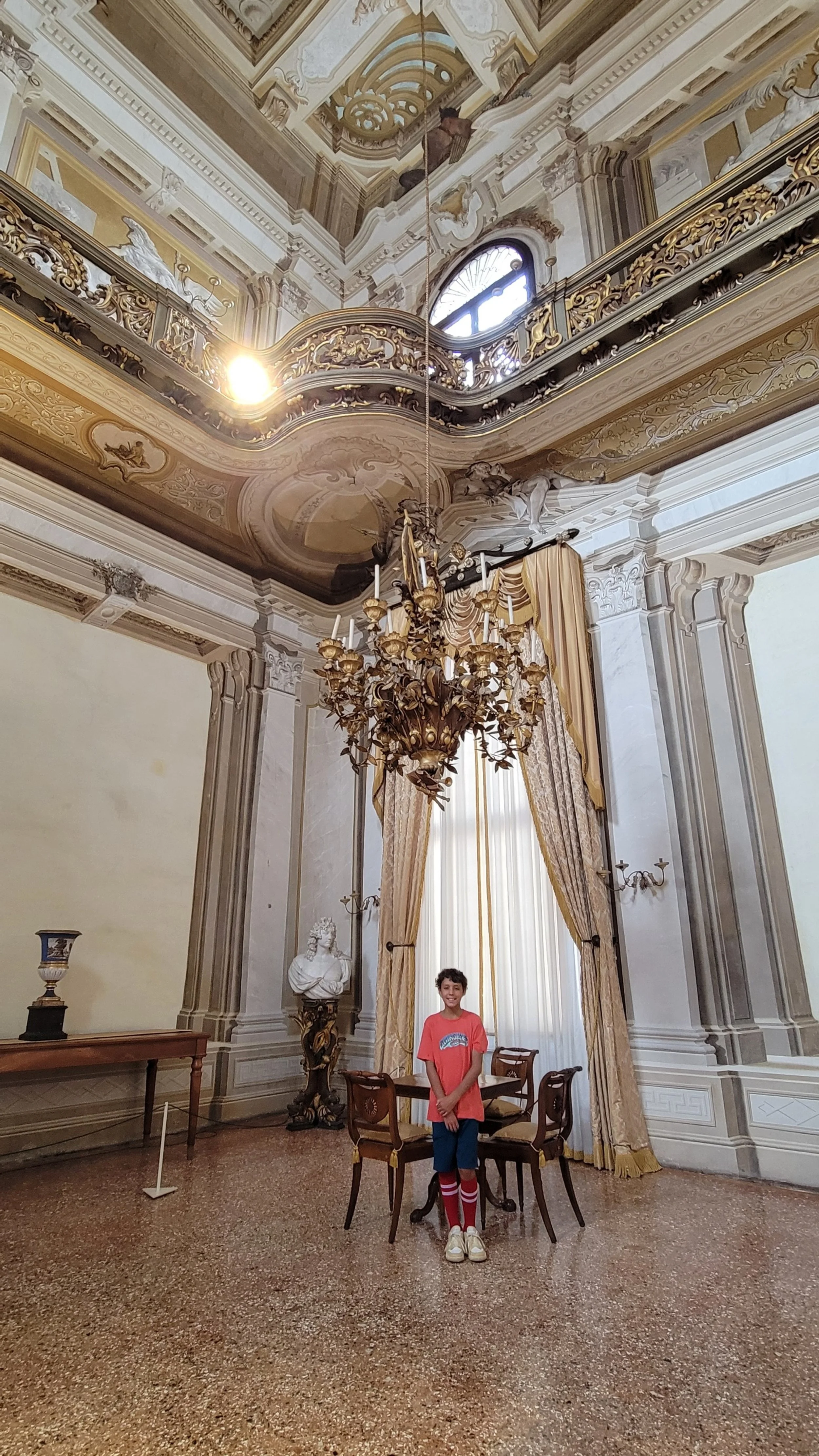
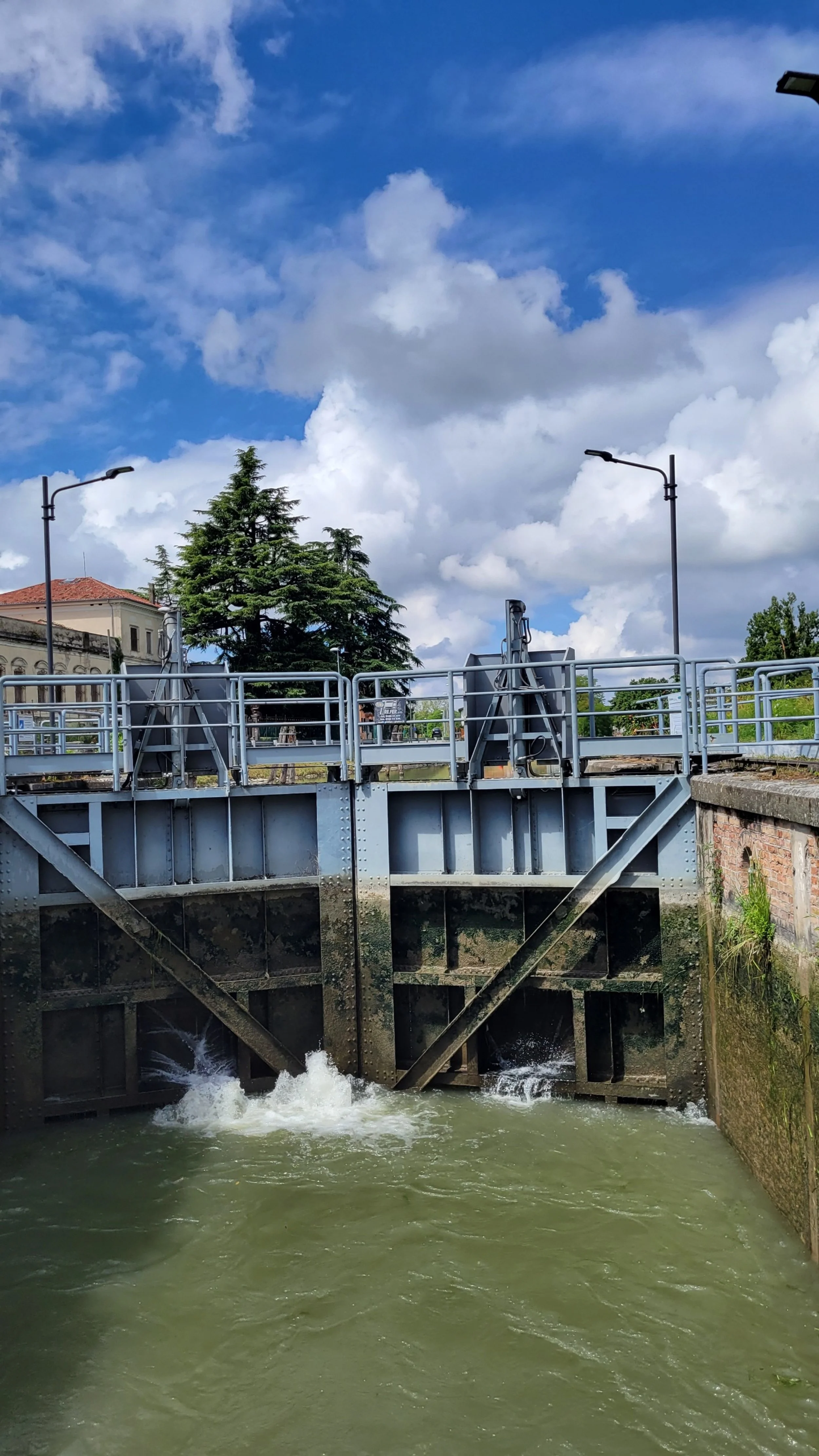
Check out how much water had to be released in order for us to pass through
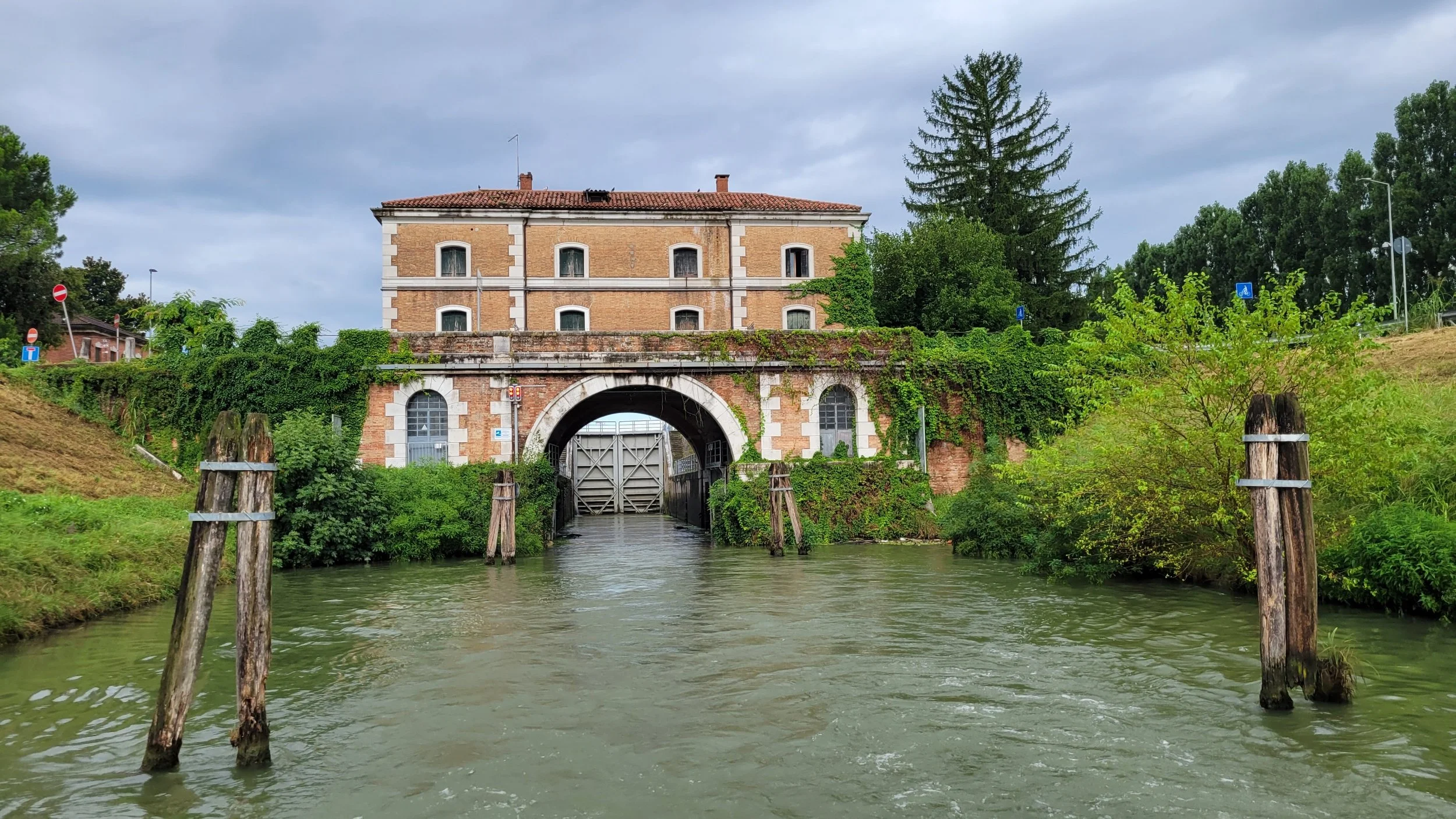
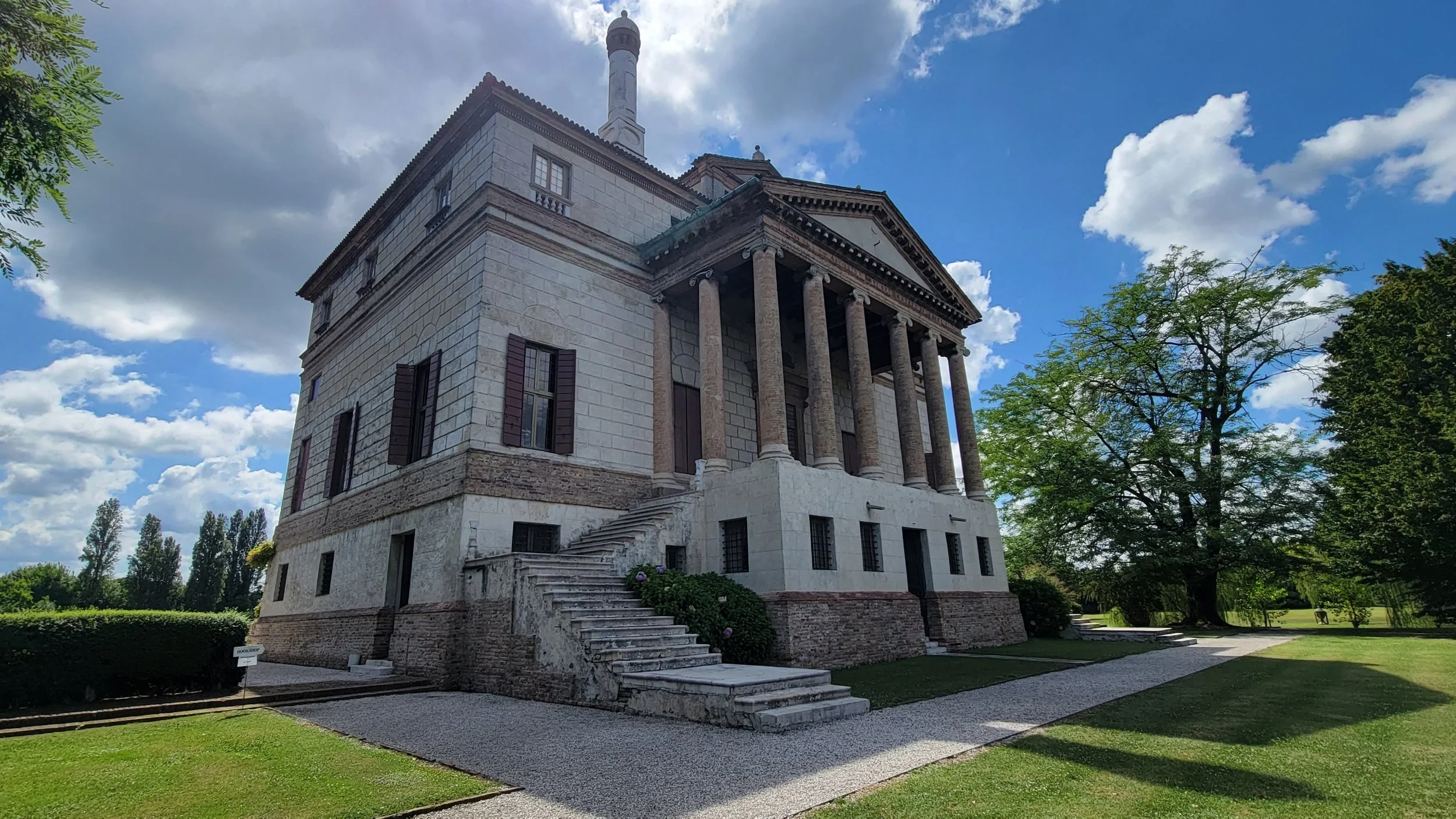
Villa Foscari (a.k.a. La Malcontenta), Mira, Italy, designed by Andrea Palladio in 1558
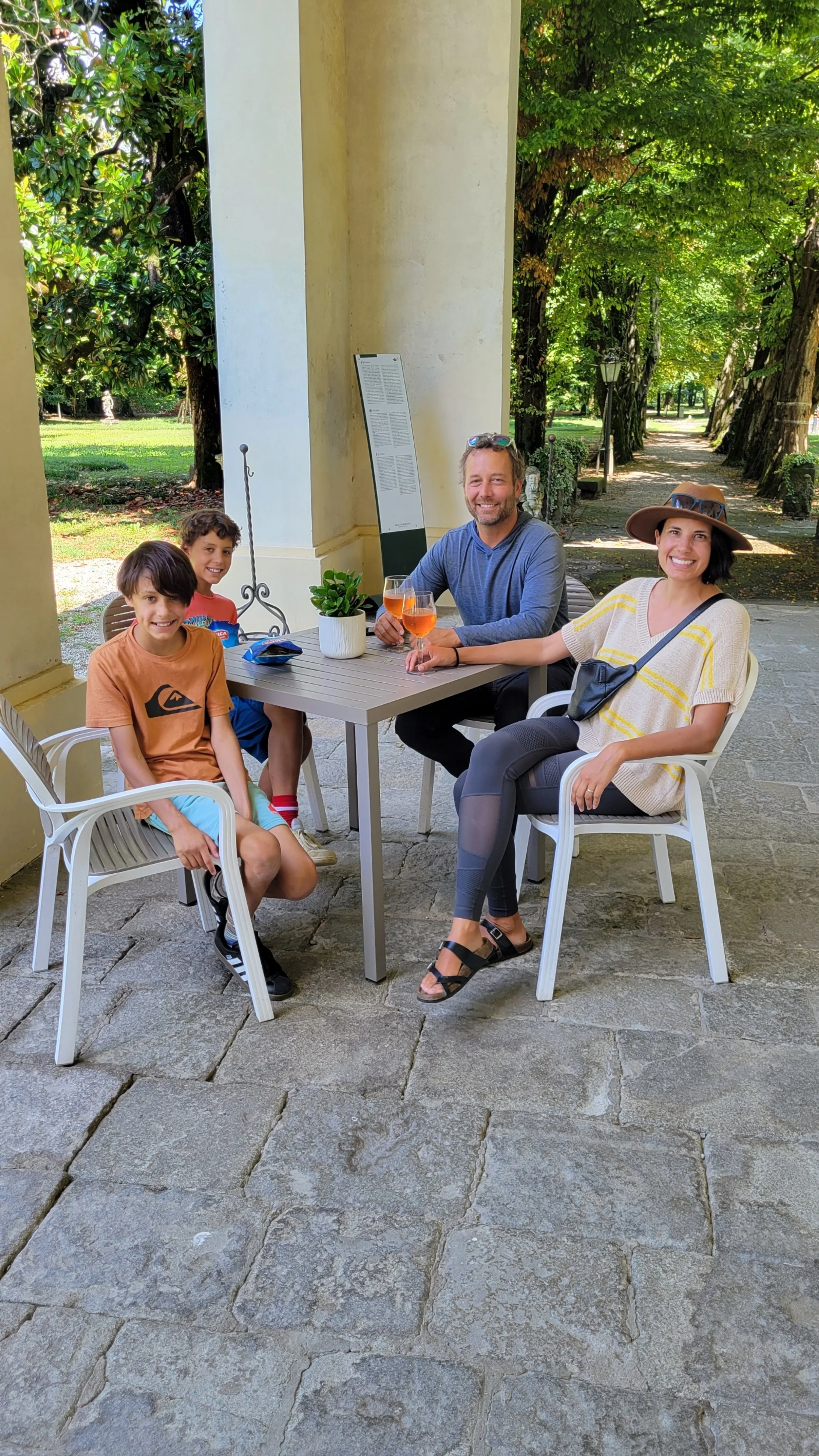
Enjoying an Aperol Spritz outside one of the Venetian Villas
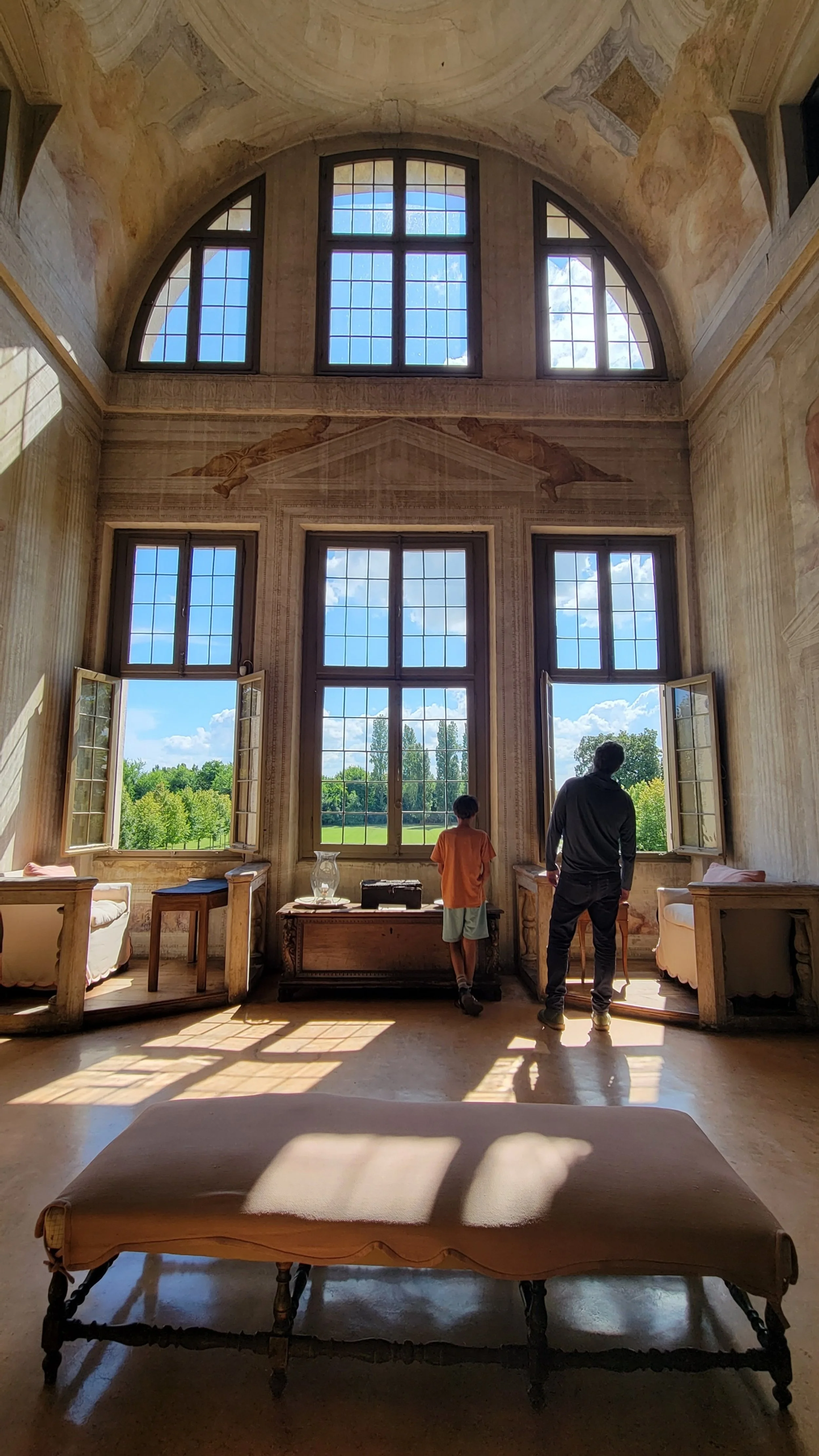
Inside Villa Foscari
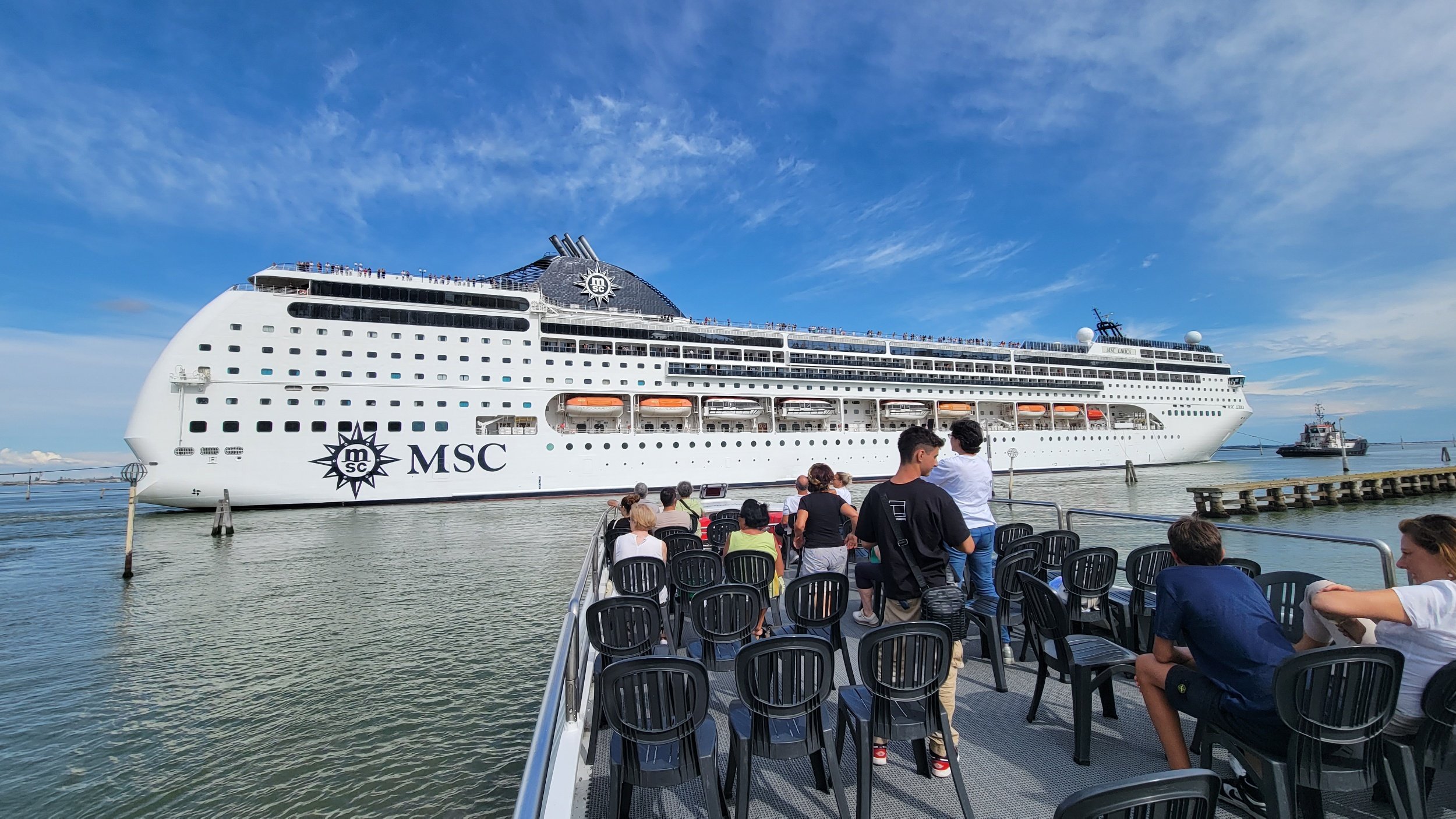
Before entering the Venice waterway, a giant cruiseship passed us by
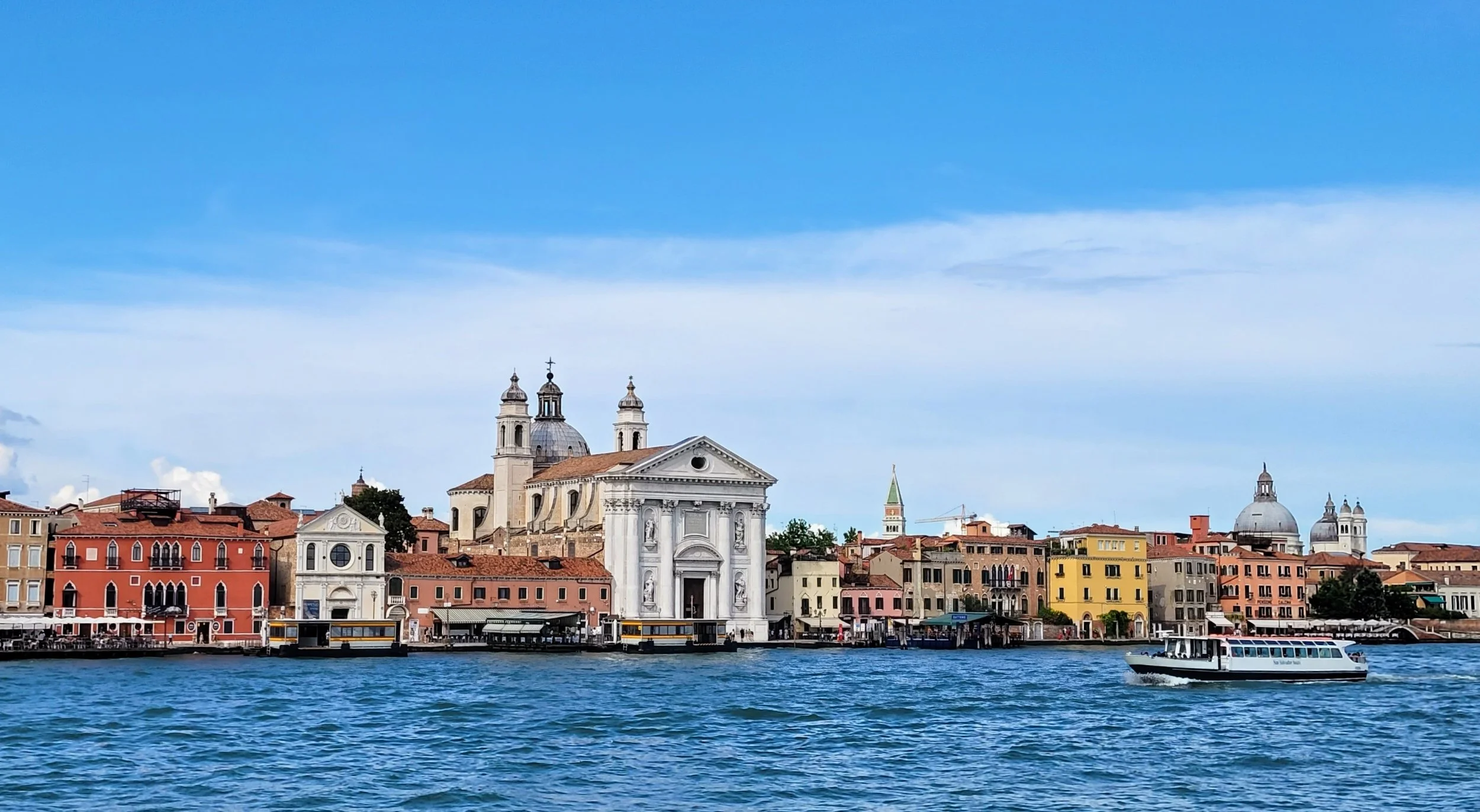
Insane views coming into Venice
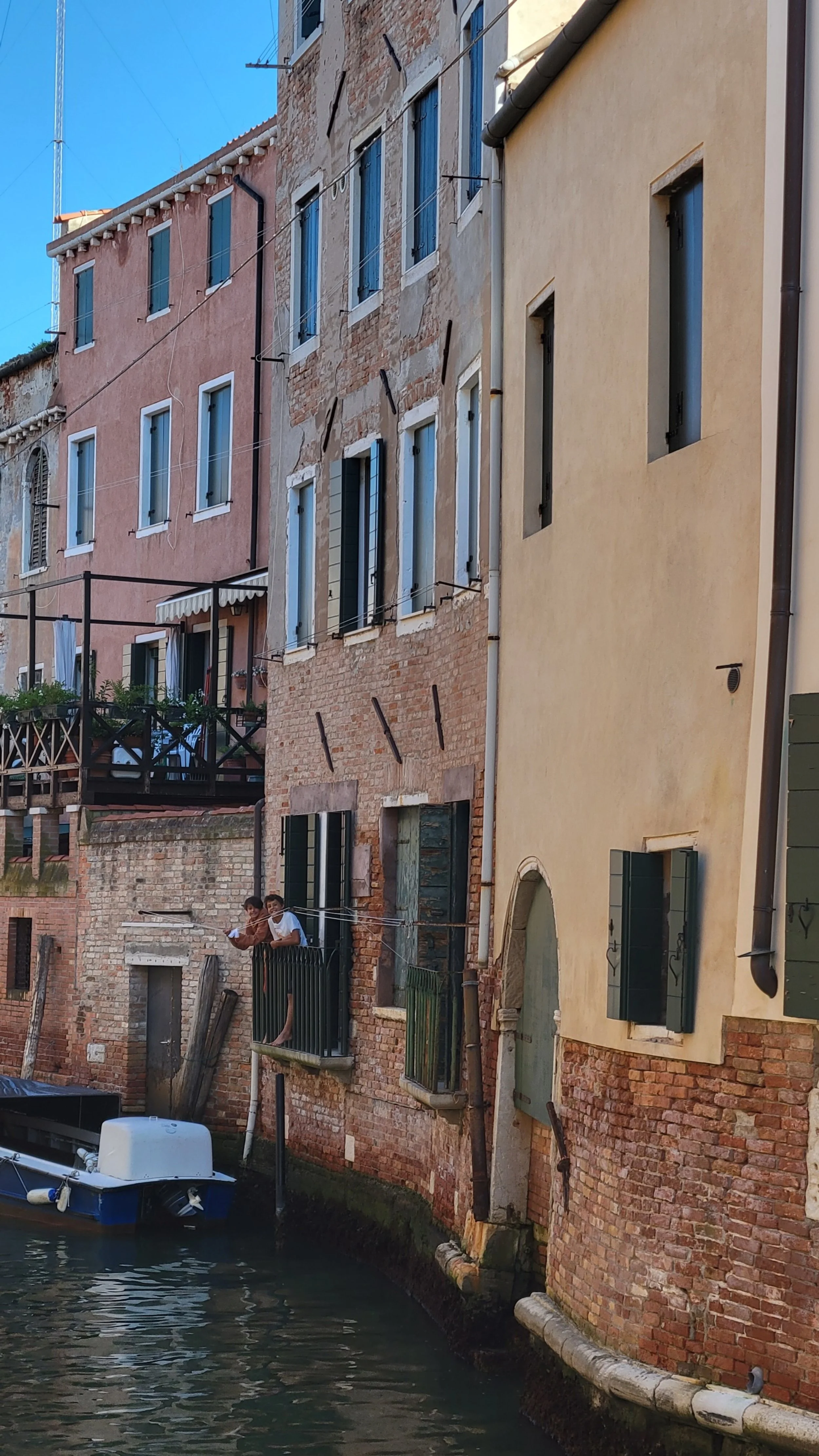
The boys looking out to our “backyard”
A Canal-Front Home & a City Without Cars
After saying goodbye to the crew, we stepped off the boat and were instantly swept into the buzz of Venice—vendors calling out, souvenirs flashing in every direction. The boys will forever remember this moment as pure chaos, thanks to one man who insisted on placing “free” bracelets on their wrists, assuring us there was no charge. Moments later, the story shifted into pleas about family back home and how little they had. When we politely declined to pay, the bracelets were swiftly reclaimed, and we made our escape. Just like that, we slipped away from the noise and turned onto a quiet street where our Airbnb waited for us—calm, tucked away, and exactly what we needed.
It sat right on a canal.
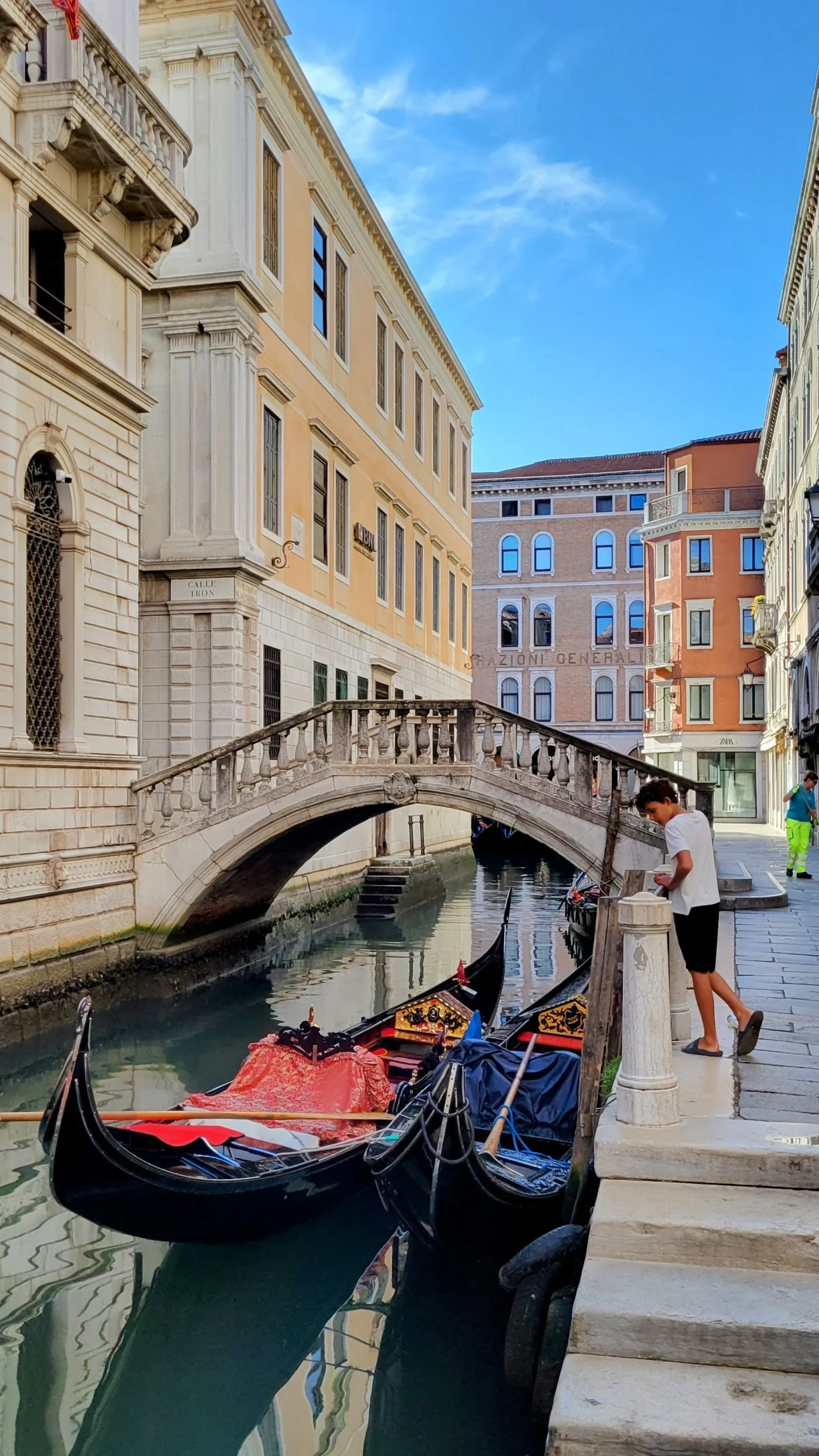
Our backyard opened directly to the water, gondolas and boats drifting past. It felt surreal. One of the first things I noticed about Venice was what wasn’t there: no cars, no scooter noises, no bikes buzzing past or horns honking. Just footsteps, water lapping, and the soft hum of a city moving at its own pace. I loved it!
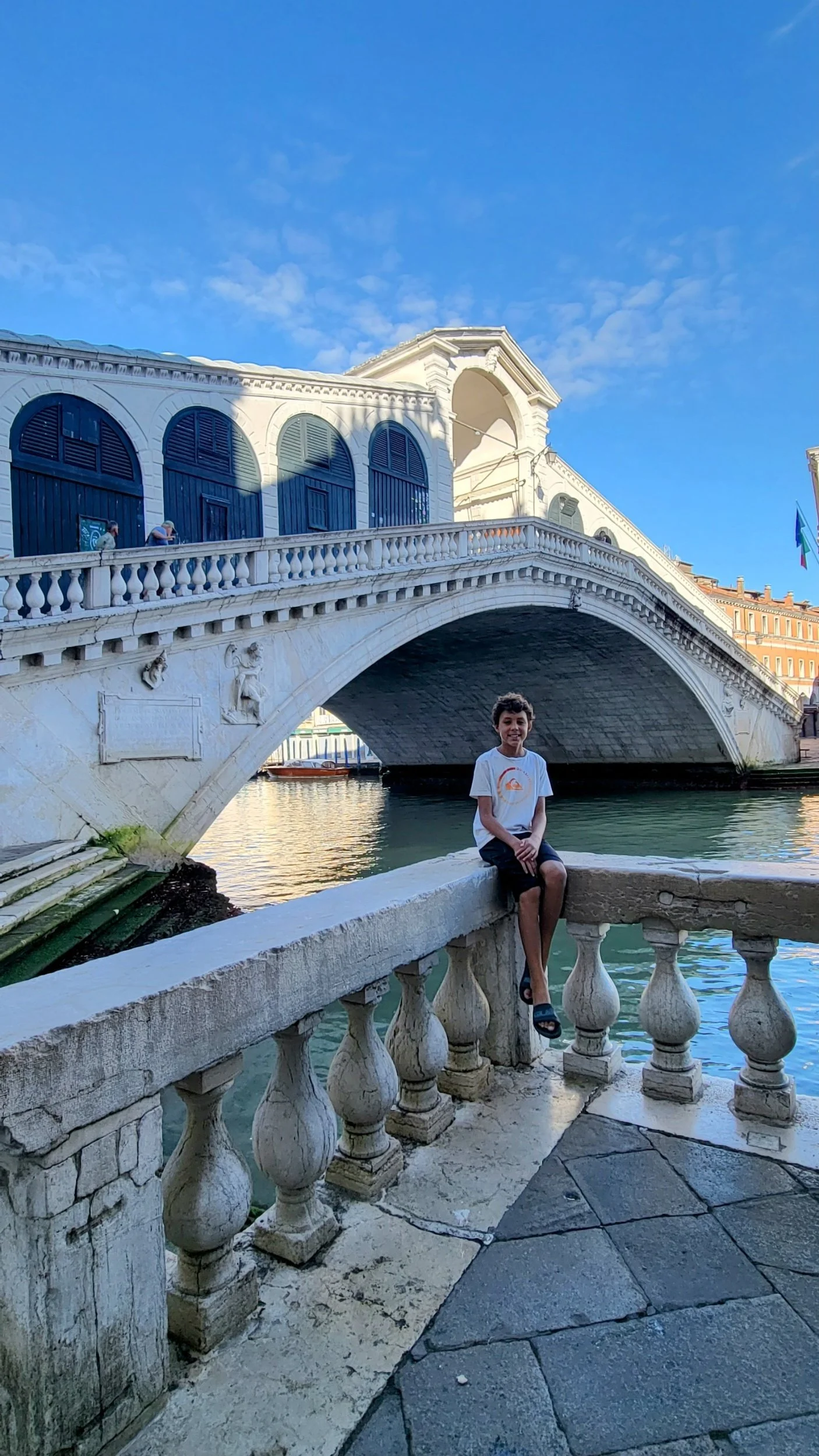
Rialto Bridge, Venice
Beating the Crowds (and Winning)
Knowing summer crowds were inevitable, I set my alarm early the next morning and slipped out with Reid before the city woke up. And wow—did it pay off.
We wandered narrow streets nearly alone, soaking in sights that felt almost private:
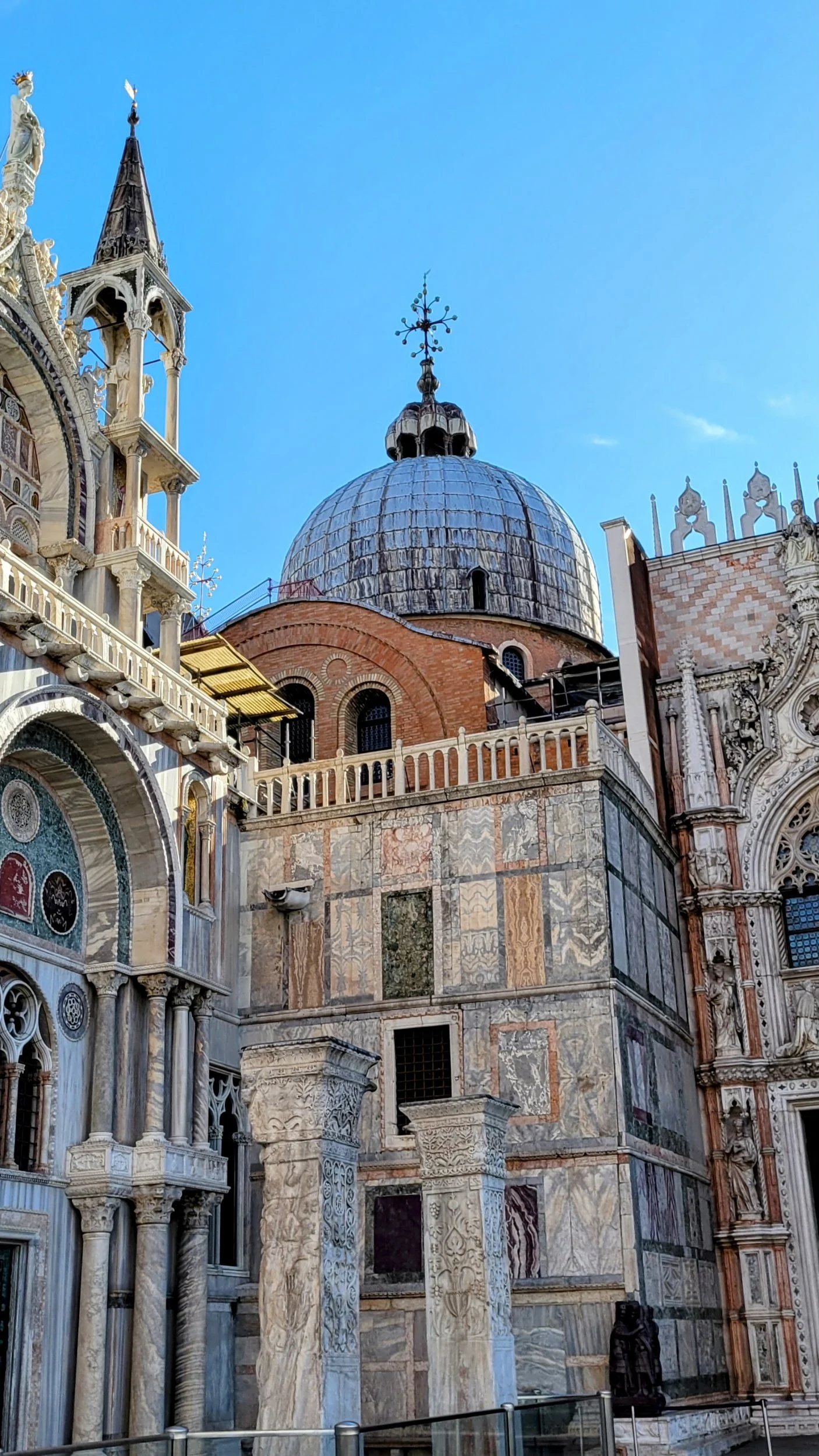
St. Mark’s Square and Basilica, the Doge’s Palace, the Grand Canal, the Rialto Bridge, the Bridge of Sighs, and the magical spiral staircase at Palazzo Contarini del Bovolo. Venice before the crowds is something special—quiet, golden, and intimate.
By mid-morning we were back at the Airbnb, where Chip made us lunch and we slowly drank wine during the heat of the day. Then we all headed back out in late afternoon, revisiting many of the same spots—but now buzzing with the full energy of summer in Venice.
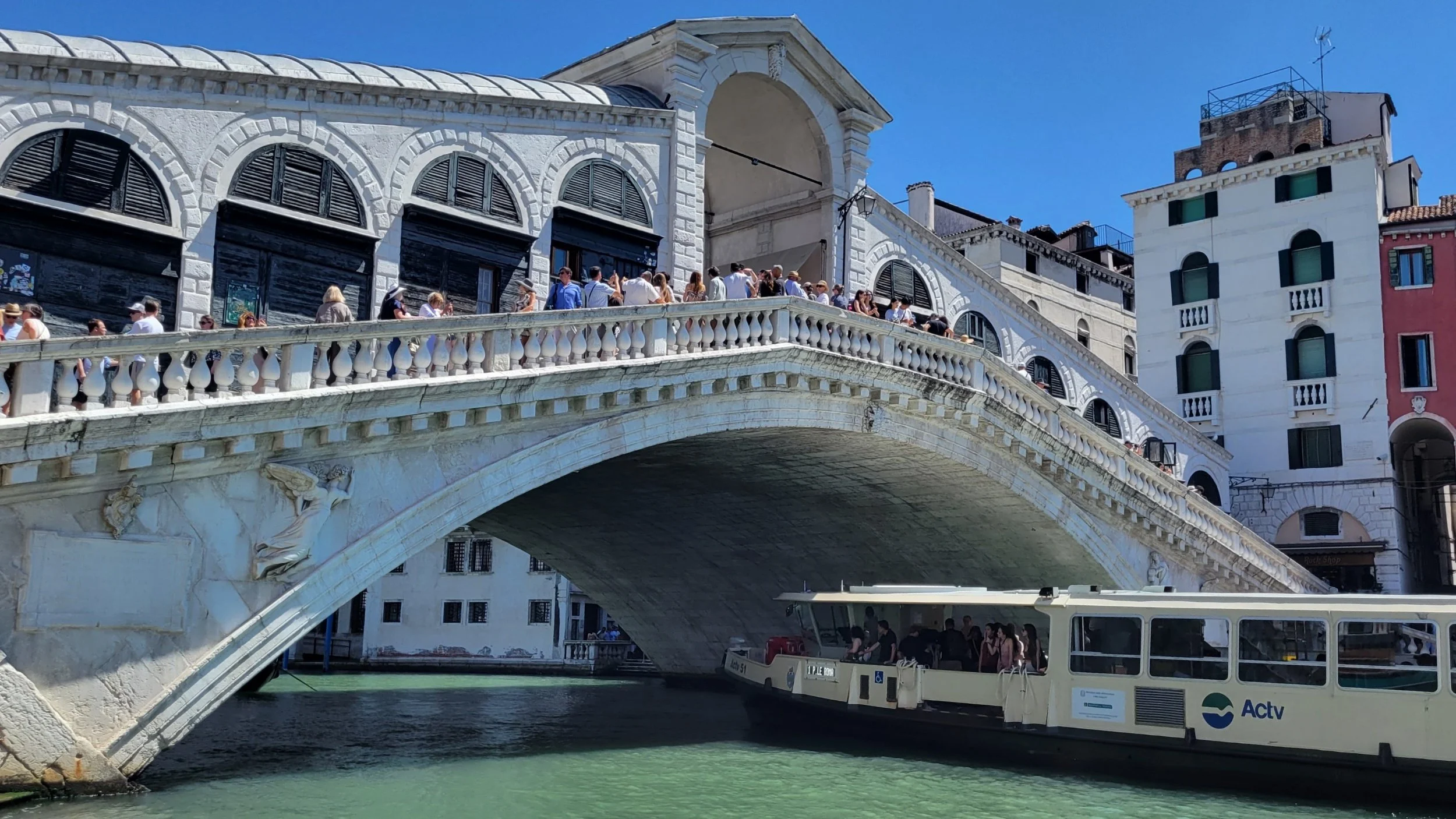
Rialto Bridge
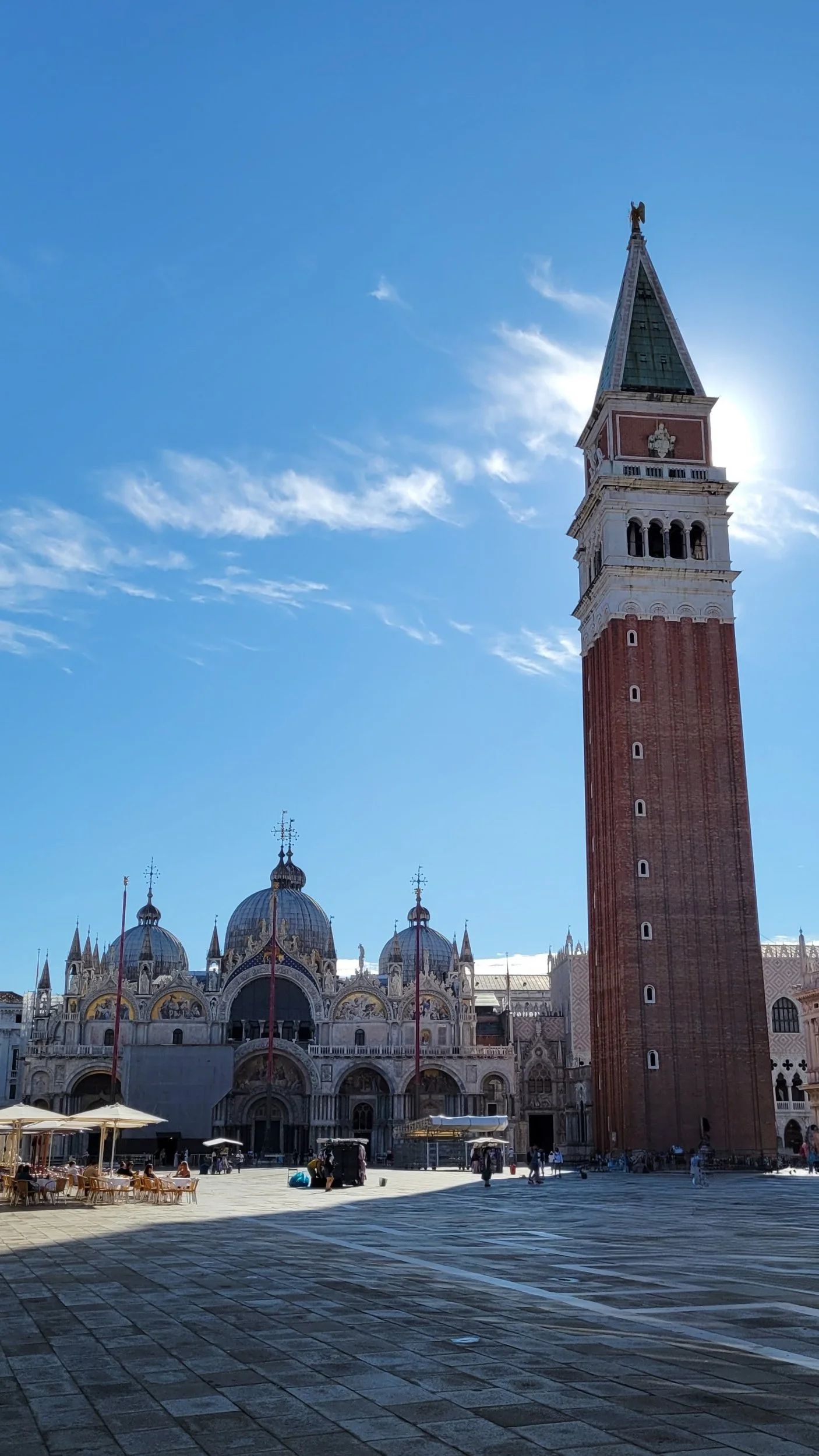
St Mark’s Square, Venice
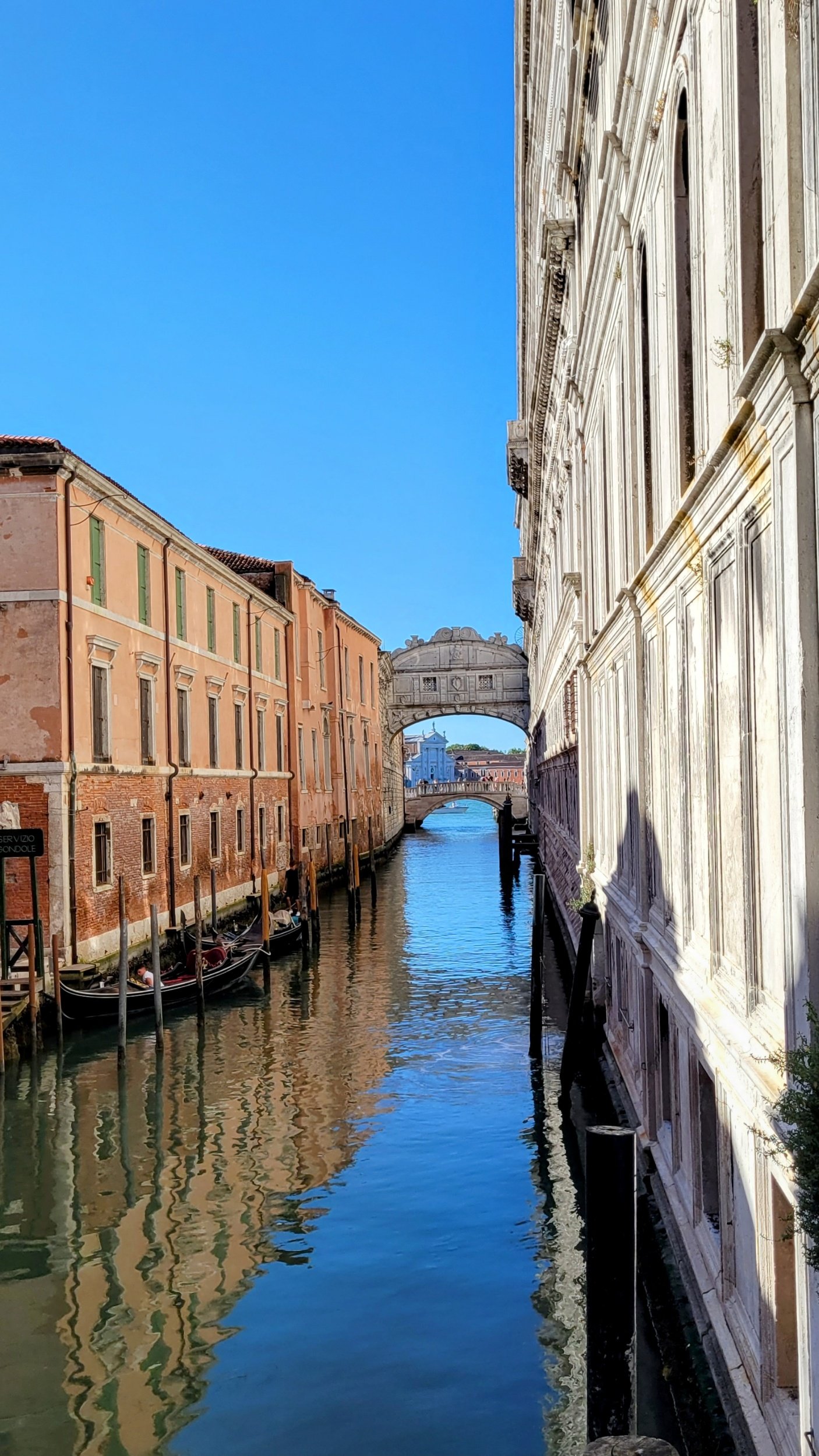
Bridge of Sighs, Venice
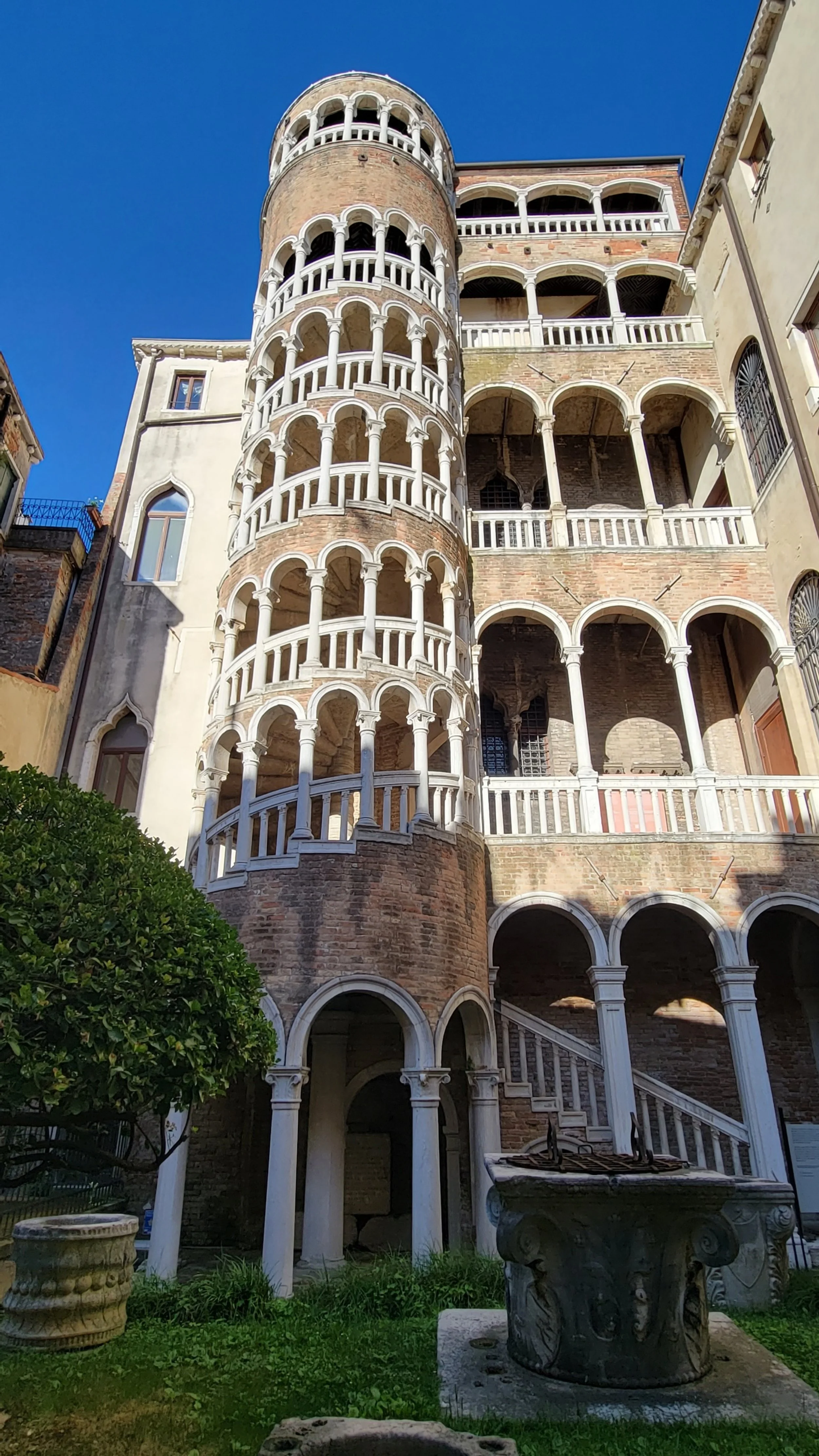
Palazzo Contarini del Bovolo
Wandering, Gelato, and Evenings on the Water
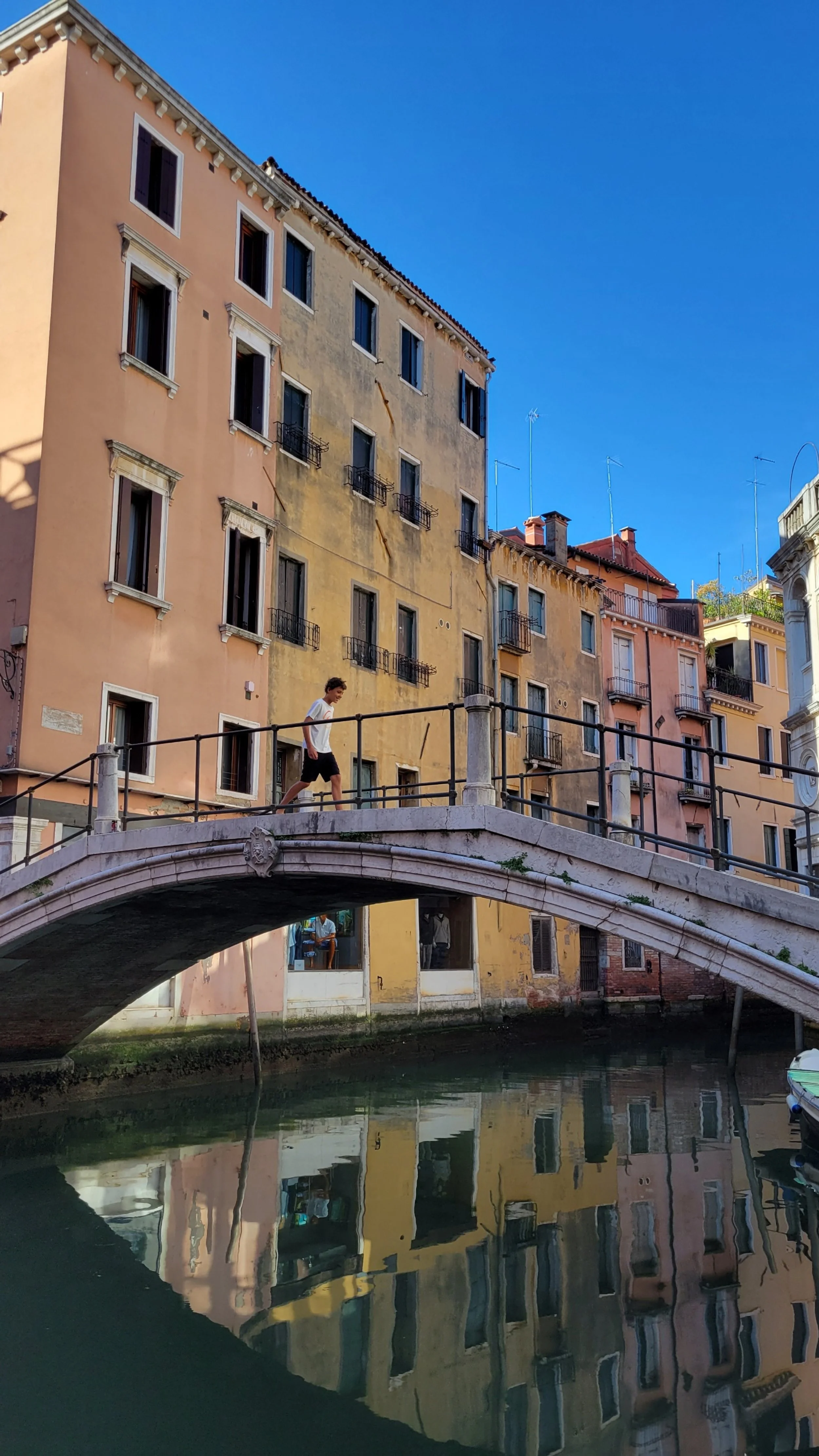
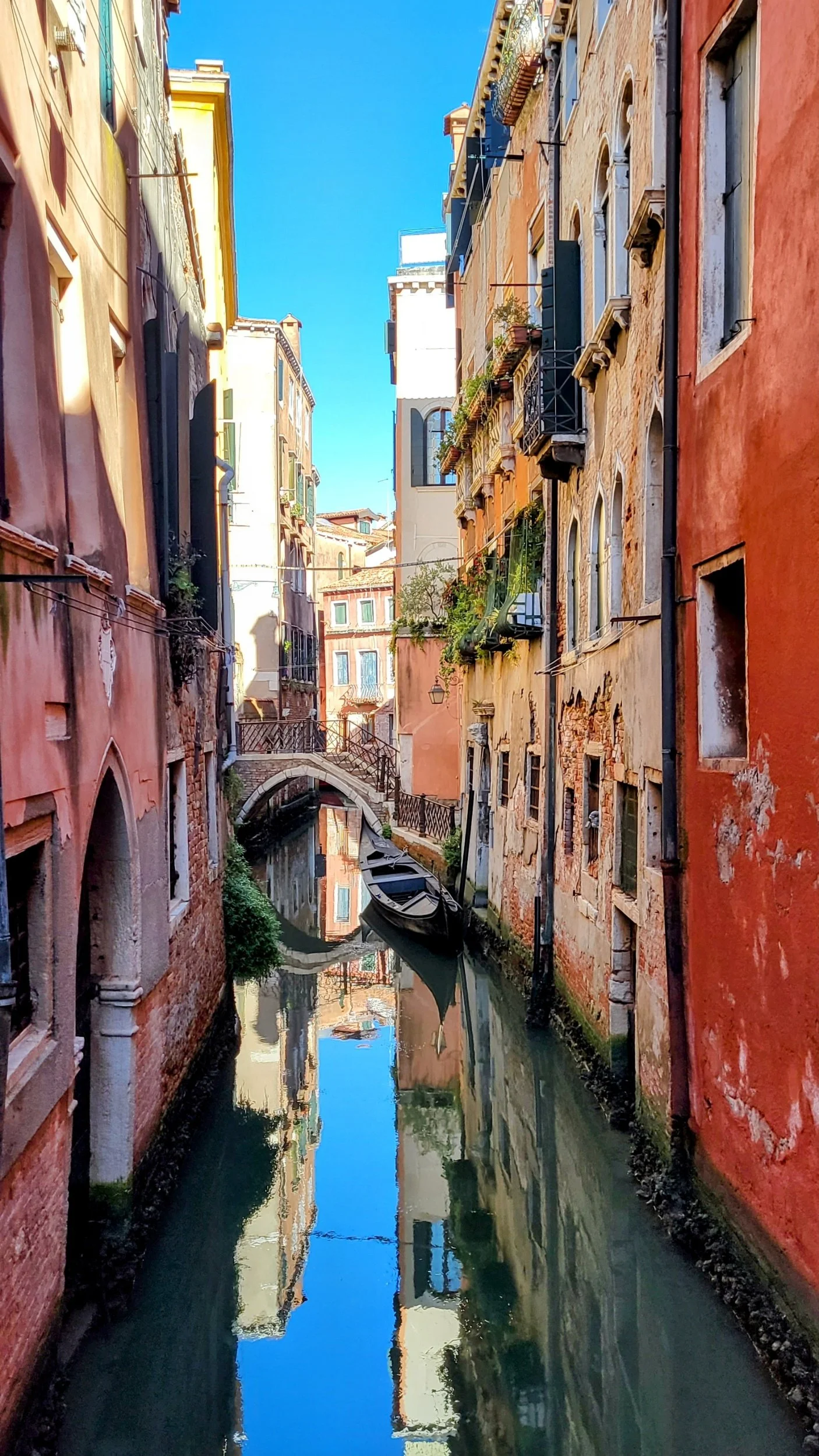
On our last full day, we explored lesser-known neighborhoods, stumbled upon a local market, and cooled off in the afternoon heat with gelato (because…always gelato). We learned quickly that Venice rewards those who slow down—ducking into quiet squares, crossing bridges with no plan, following canals just to see where they lead.
We ate in during the afternoons when tourist crowds were at their peak, then snuck back out in the evenings for long walks across what felt like a million bridges. Venice at night is pure magic—soft lights reflecting on water, quiet conversations drifting through open windows, the city finally exhaling.
There truly is nowhere else like Venice. Built entirely on water, resting on millions of wooden pilings, with no roads and no cars, it feels both impossibly fragile and timeless. It’s a city that demands presence—you can’t rush it, and you wouldn’t want to.
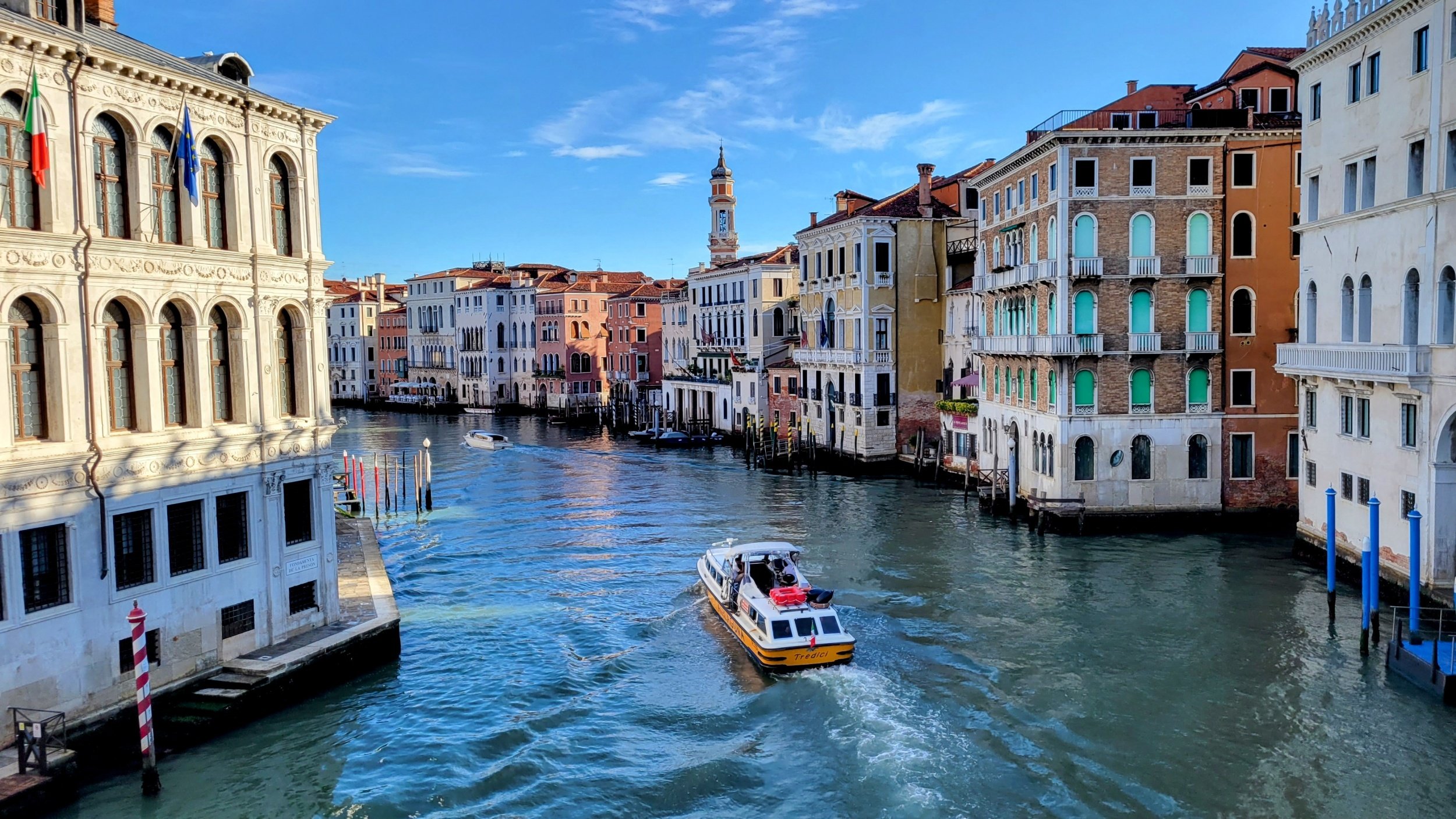
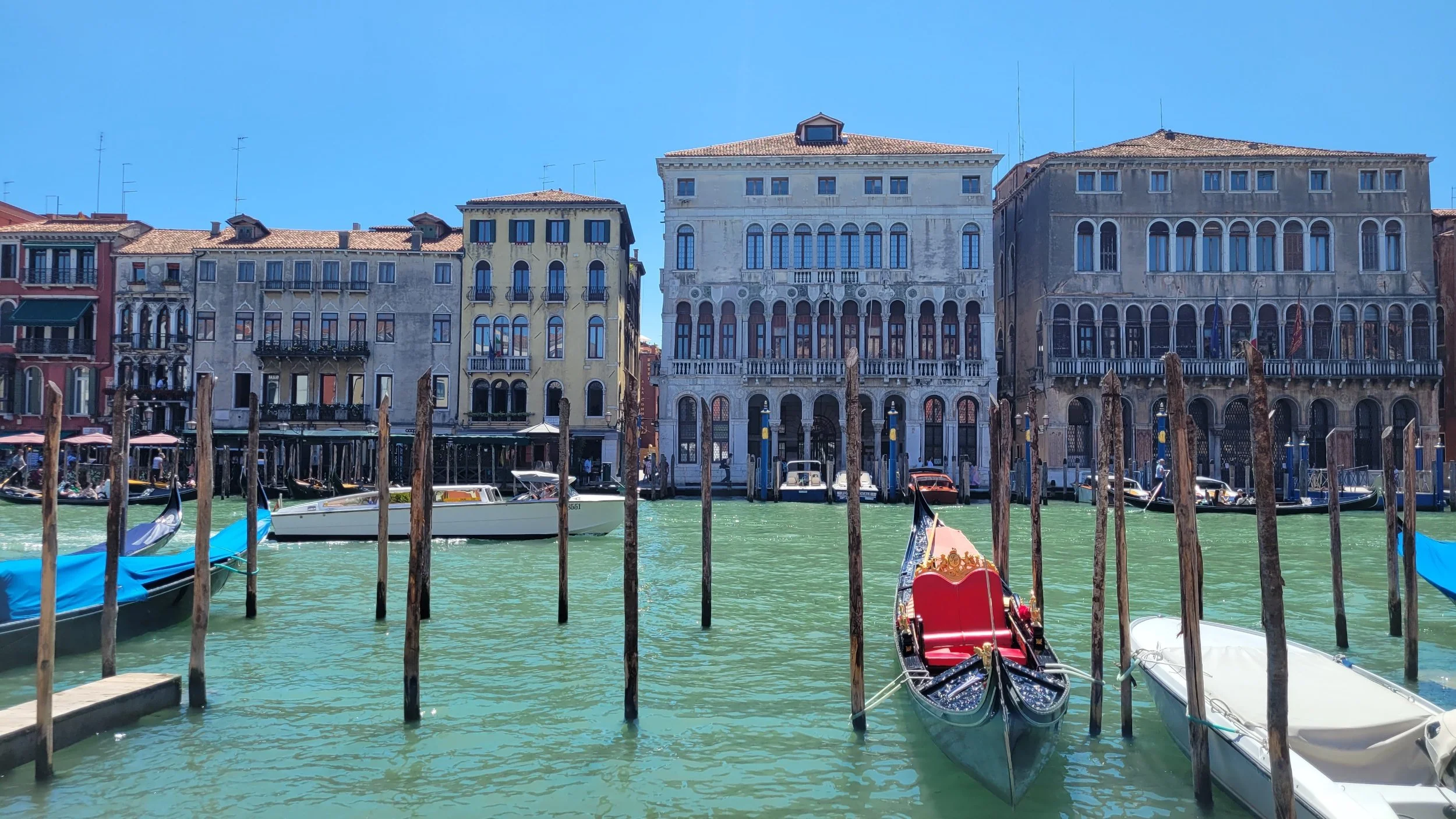
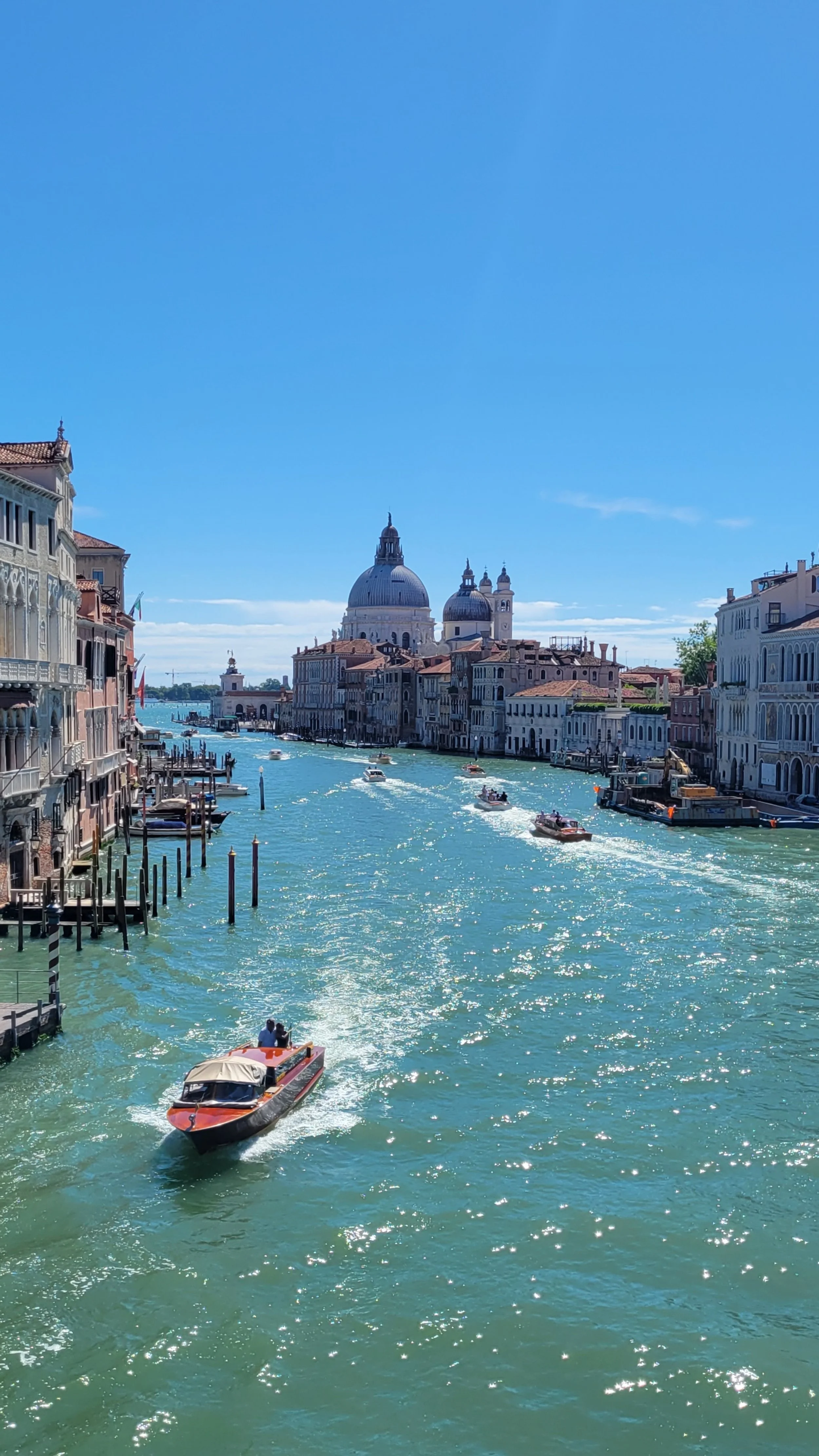
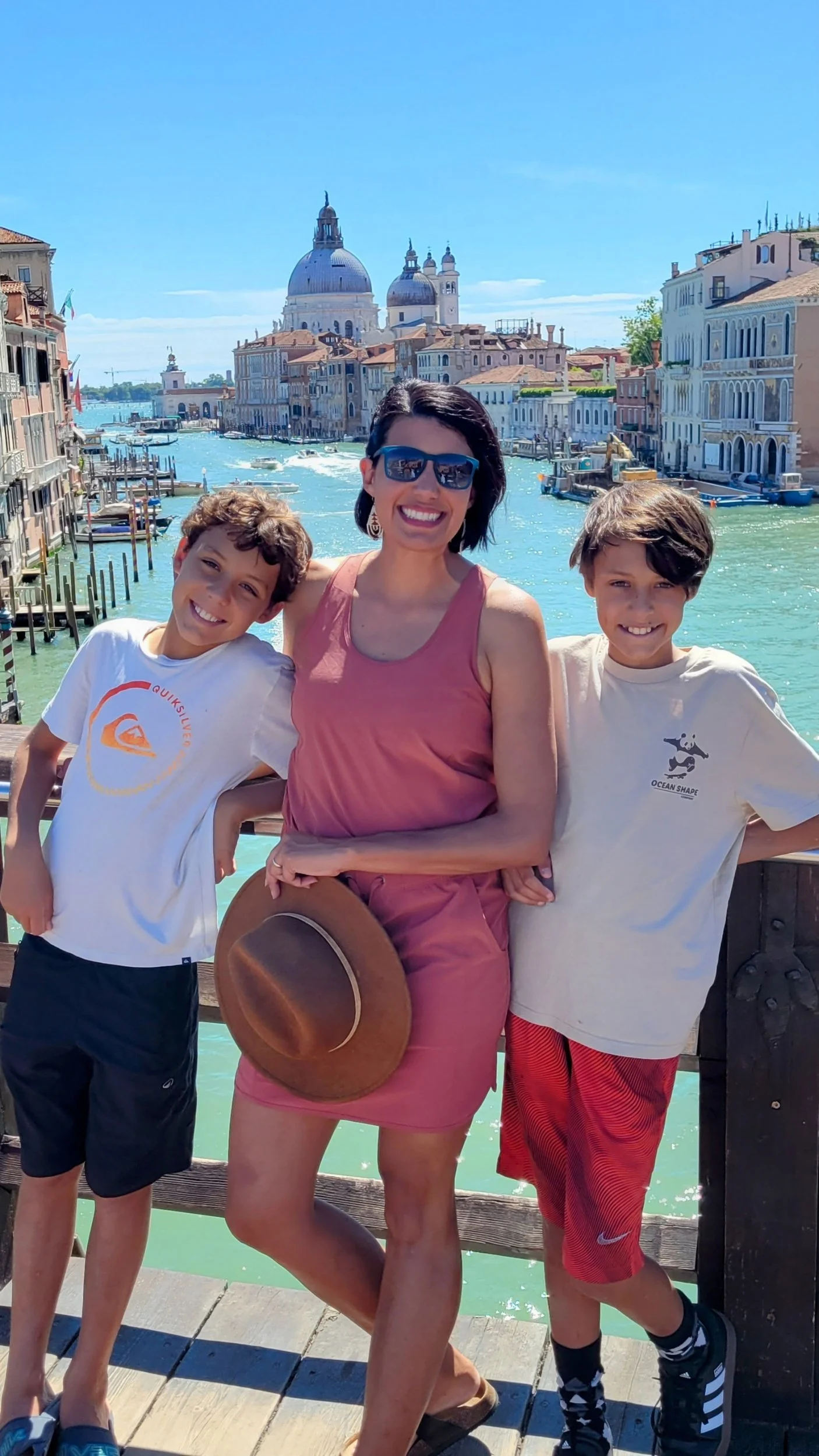
Grand Canal views
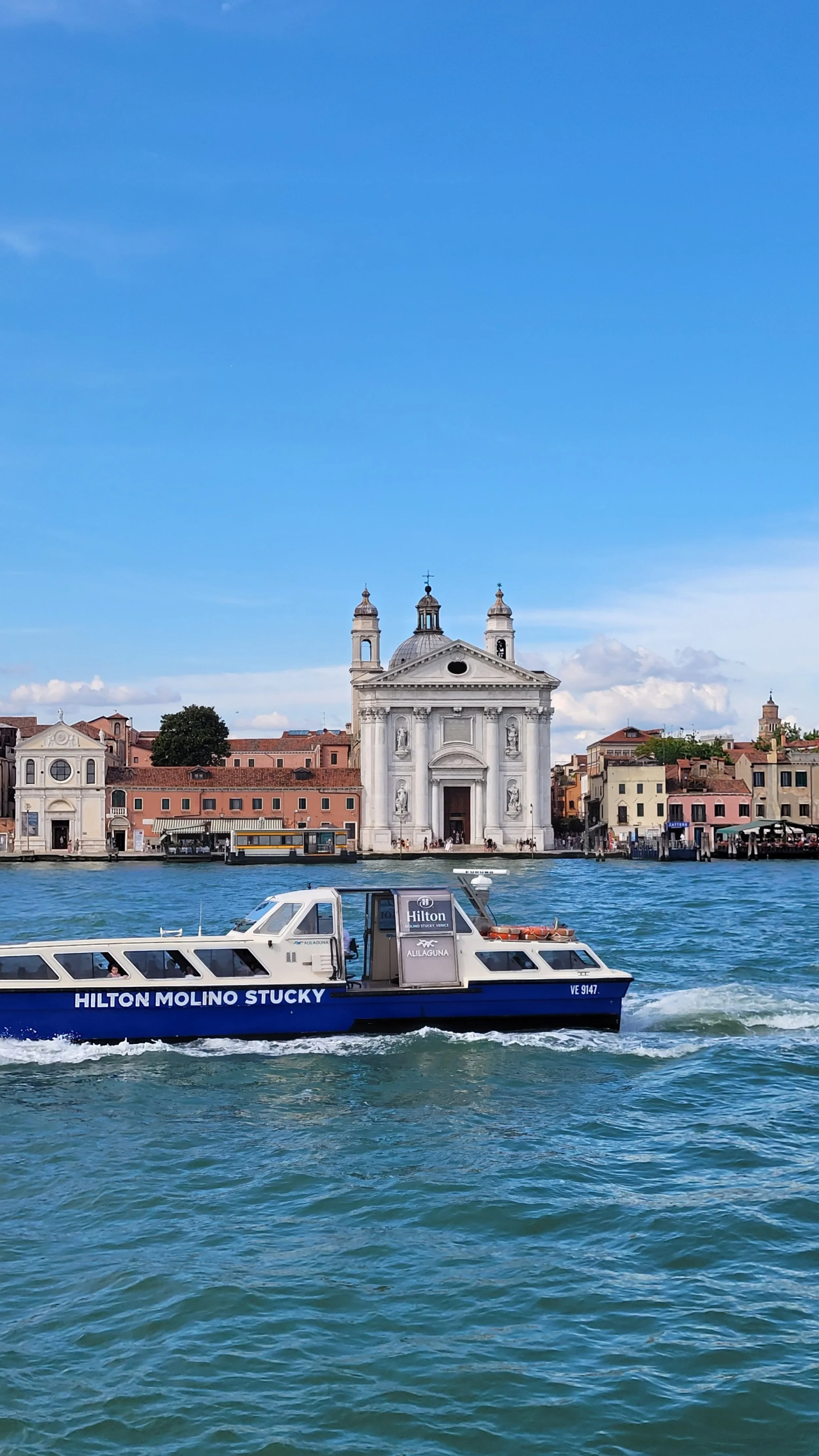
Saying Goodbye (the Only Way Venice Would Allow)
We left the following morning by water taxi, gliding straight to the airport. Pulling up to an airport by boat felt like the most fitting farewell. Even leaving Venice is different.
What a place. What an experience. I’m forever obsessed—and already dreaming of the day we return.
But if I don’t, my heart if full. Venice, you are so freaking unique!